Looking Glass Technologies' 1998 classic — its history, how the press received it, how it plays today, and what a copy costs.

- Released
- 1998 · PC (DOS / Windows)
- Developer
- Looking Glass Technologies
- Publisher
- Sold Out Software
- MobyScore
- ★ 8.39
The history
Developed by Looking Glass Studios and published by Eidos Interactive, Thief: The Dark Project arrived in 1998. It introduced players to Garrett, a master thief trained by a secretive organization known as the Keepers, who eventually parted ways with his masters to appropriate treasures from the rich and powerful in a medieval fantasy metropolis known as "the City."
The title mattered because it defined the stealth game, shifting the focus away from the "Doom clones" of the era. By prioritizing cunning and evasion over direct combat, it offered a fresh perspective on first-person gaming and established a new standard for immersive simulation.
How it plays
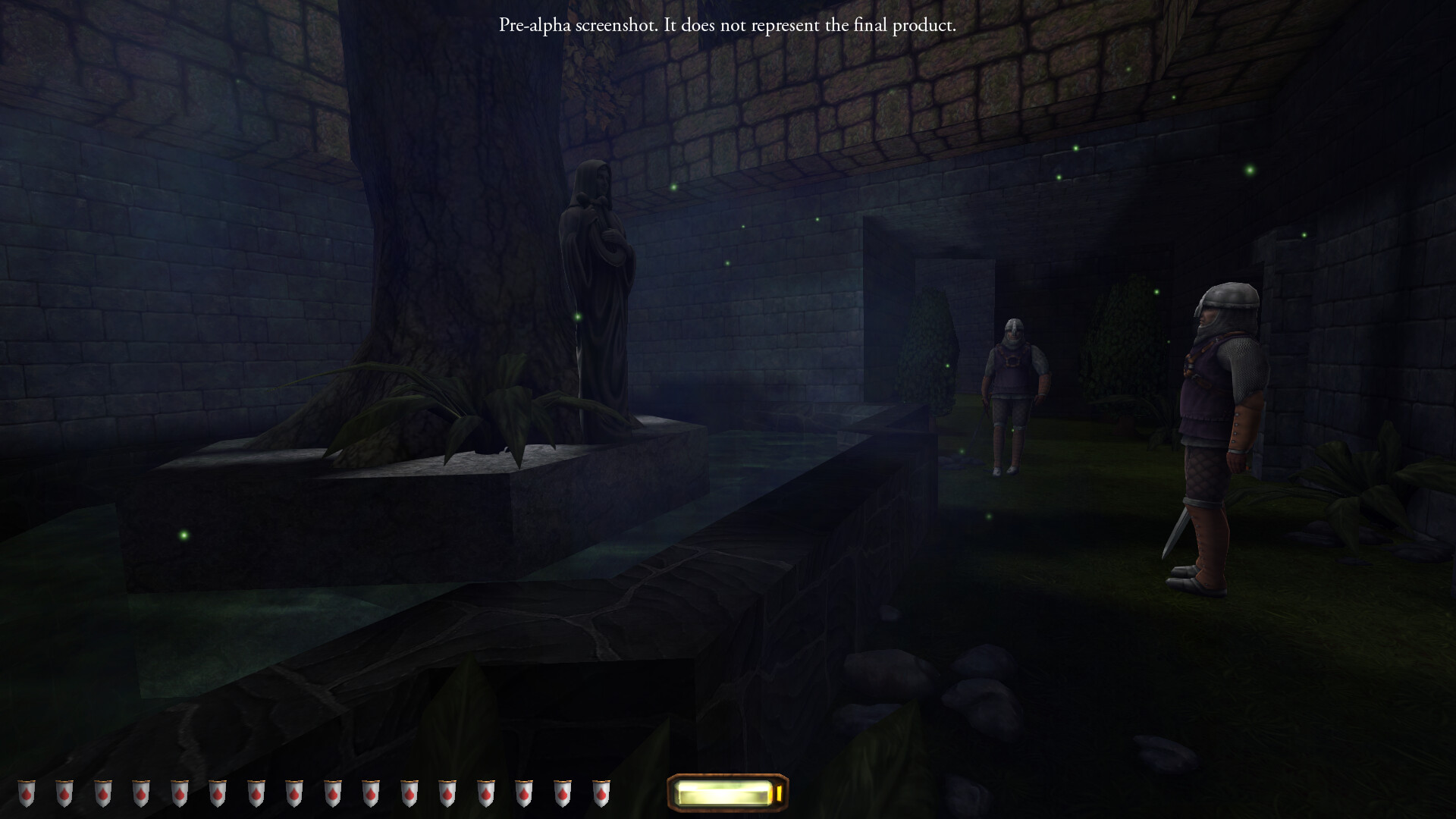
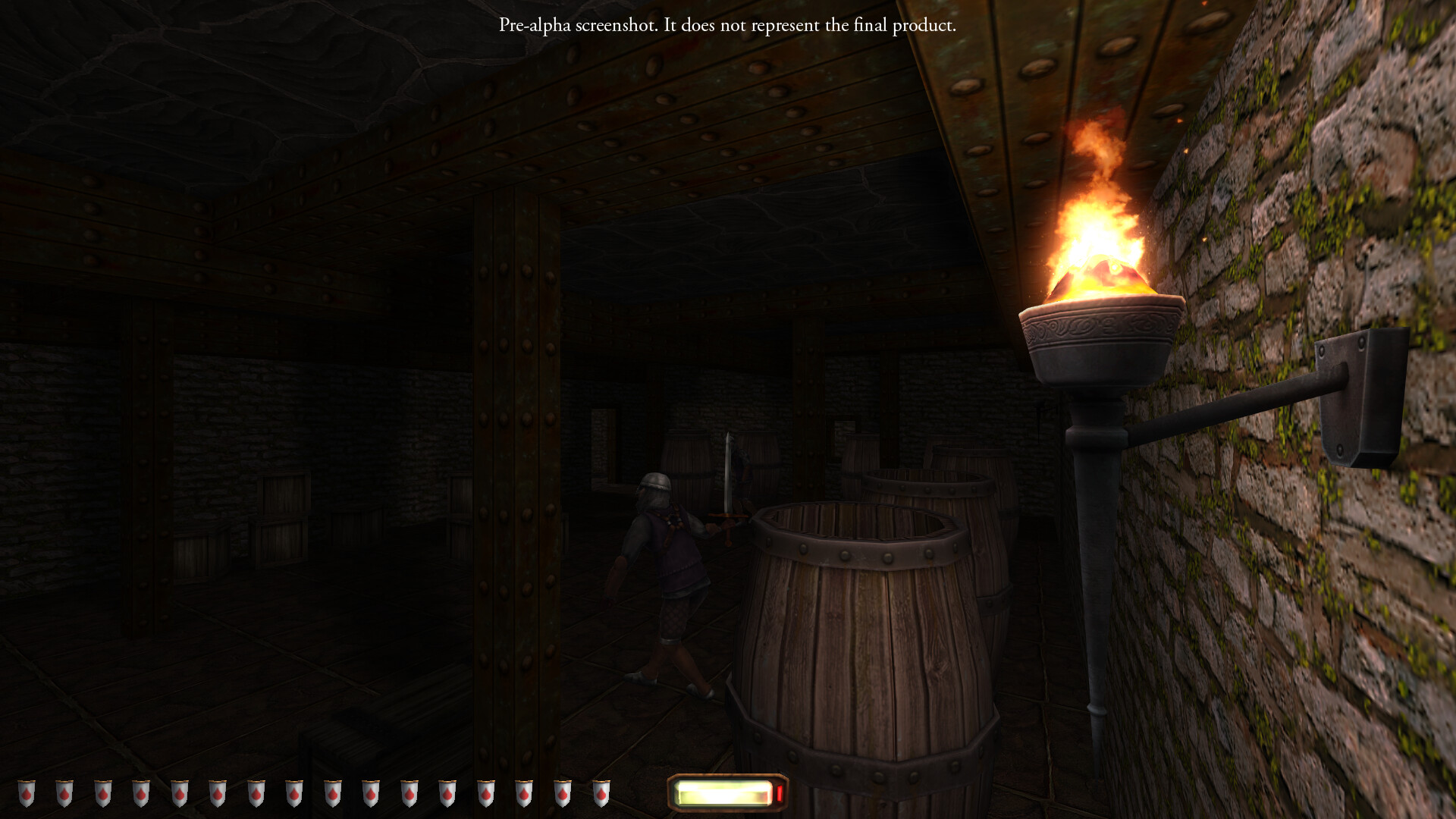
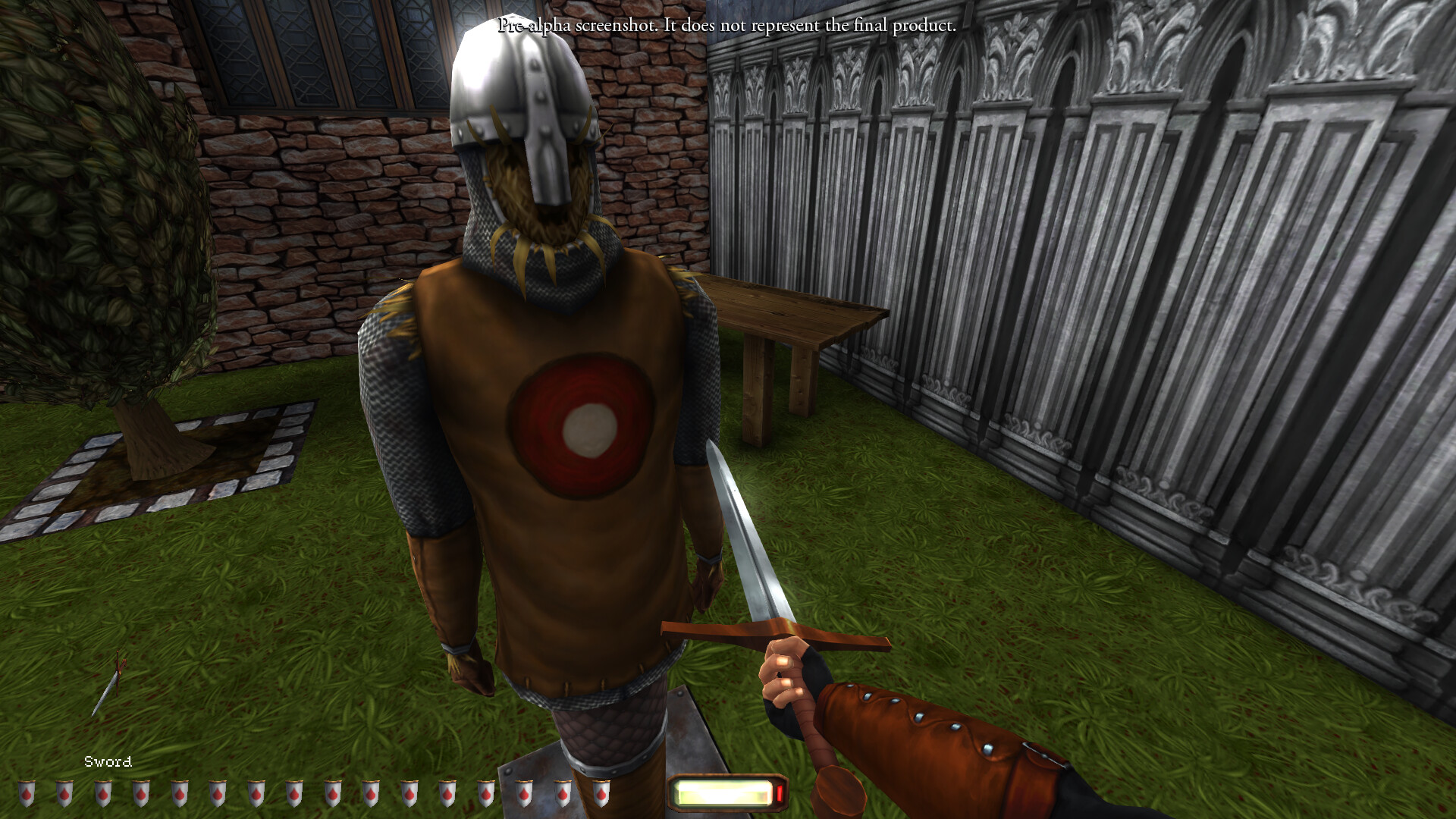
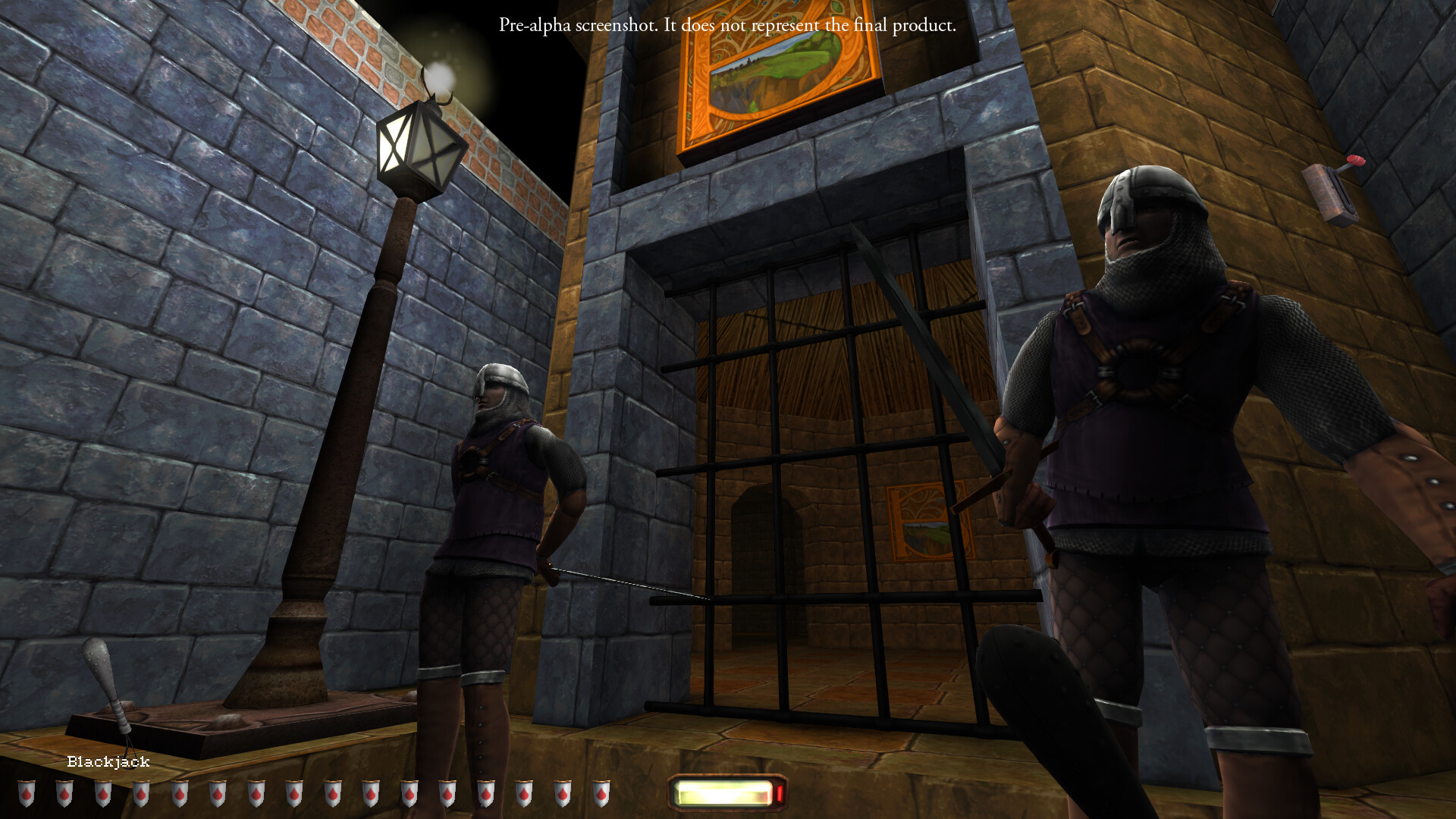
The core loop revolves around using shadows and sound to avoid detection. Players must monitor a "light gem" to gauge visibility and account for different floor surfaces that produce varying noise levels. While Garrett possesses a sword, direct combat is discouraged; instead, players are encouraged to use a blackjack to incapacitate guards, steal keys, and move bodies to remain undetected.
Garrett's arsenal includes lockpicks, flash bombs, holy water, explosive mines, and a versatile bow. This bow fires specialized arrows—such as water arrows to extinguish torches, moss arrows to dampen footsteps, and rope arrows for climbing or crossing chasms. Levels are fairly open with multiple paths to objectives, and loot gathered from missions can be used to purchase further equipment. Higher difficulty settings introduce additional requirements, such as completing stages in a completely non-lethal manner.
How it was received
Thief: The Dark Project received critical acclaim, earning a Metacritic score of 92/100 and perfect or near-perfect marks from GamePro (5/5), CGW (4.5/5), and Allgame (4.5/5). Other high marks included GSpot (9.1/10), MaxPC (9/10), PCZone (9.0/10), and IGN (8.9/10), while PCGUK and PCGUS both awarded it 90%. In the US, the game sold 88,101 units during 1999.
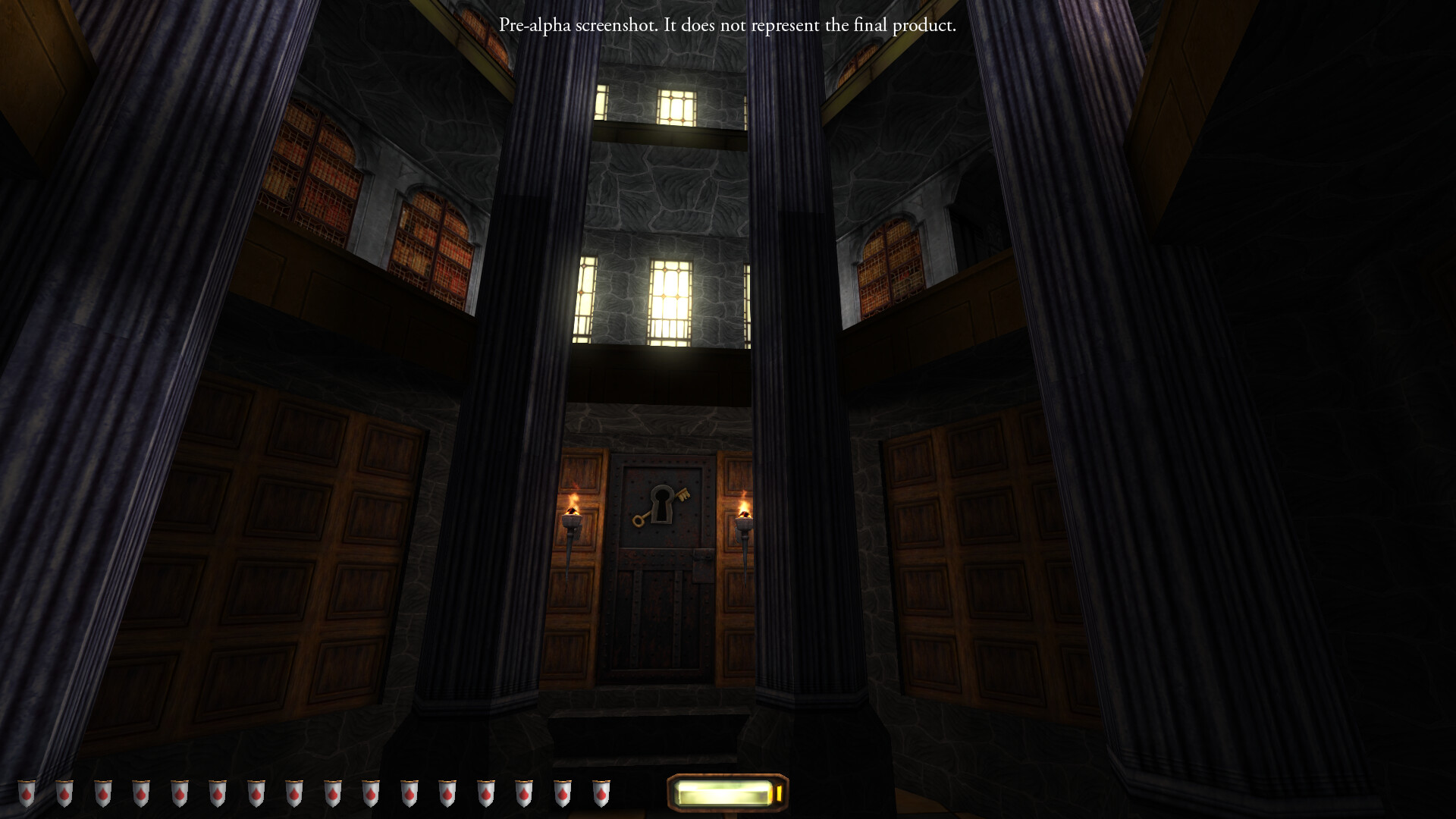
Critics lauded the sound design for its realism and immersion, though graphics received a mixed reaction with some negative comparisons to Unreal and Half-Life. Some reviewers criticized the inclusion of supernatural elements and undead enemies, arguing that the game occasionally degenerated into a "hack 'n' slash" or "Tomb Raider territory" rather than sticking to realistic mansion robberies.
In the magazines
The period press.
Computer Gaming World's Lance A. Larka praised the "simply amazing" audio and suggested the game for those tired of Doom clones. PC Zone's Paul Presley called it a "bloody good game," while Kieron Gillen of PC Gamer UK described the freedom as "absolutely intoxicating." PC Gamer US called it a "challenging, riveting game," and GamePro's Peter Olafson praised the AI, noting the game improves the more time one spends with it.
Screenshots
The box & the art
Cover art, and real copies photographed in the wild.

Legacy
Looking Glass Studios' commitment to specifics in sound and stealth paved the way for the immersive sim genre. The game remains worth seeking out today for its pioneering approach to stealth and its ability to make avoiding action feel genuinely rewarding.
What it's worth
Copies surface on the second-hand market from time to time, but listings are sparse enough that there's no reliable price band to quote — check the live search for what's available right now.
See current copies on eBay →How to play it in 2026
Easiest today: Steam or GOG (DRM-free) on modern Windows. Either way the core game is intact.
The game saw an expanded re-release in November 1999 titled Thief: Gold, which added three new missions, edited existing missions, and introduced new enemies and bug fixes. A more recent version via GOG's Preservation Program includes compatibility fixes, quality-of-life improvements, and accessibility features developed by a reverse engineering team to ensure the game is future-proofed for modern PCs.
Verdict
Thief: The Dark Project holds up as a masterclass in atmospheric tension. While some of the supernatural levels may feel like a departure from the core thievery fantasy, the mechanical integration of light and sound remains sophisticated and rewarding.
For those who enjoy a game that demands thought and rewards patience over reflexes, the experience of prowling "the City" is still an intoxicating exercise in cunning.
Sources: MobyGames, Steam, and period/web coverage. Prices reflect the second-hand market and change over time.