Looking Glass Studios' 1999 classic — its history, how the press received it, how it plays today, and what a copy costs.
- Released
- 1999 · PC (DOS / Windows)
- Developer
- Looking Glass Studios
- Publisher
- Electronic Arts
- MobyScore
- ★ 8.49
- Players today
- Very Positive on Steam (87% of 1783)
The history
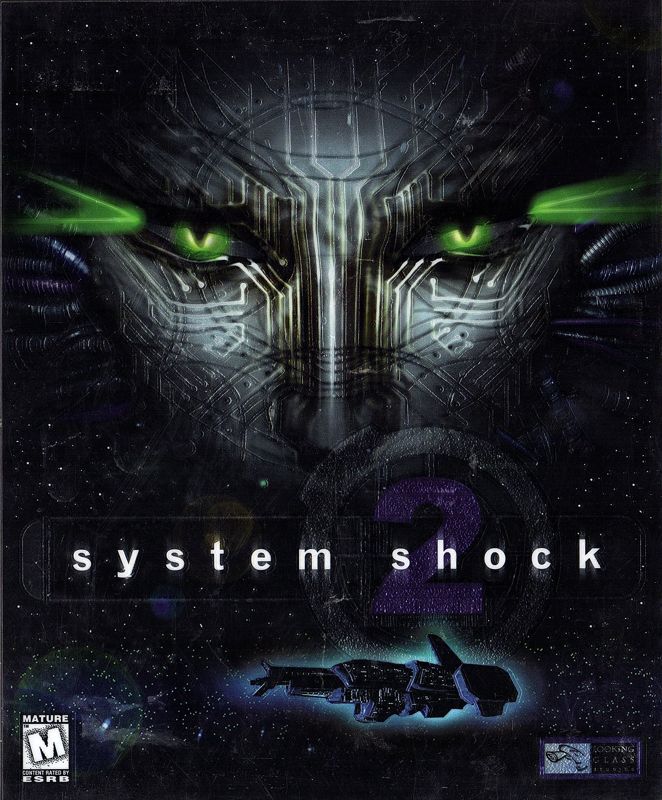
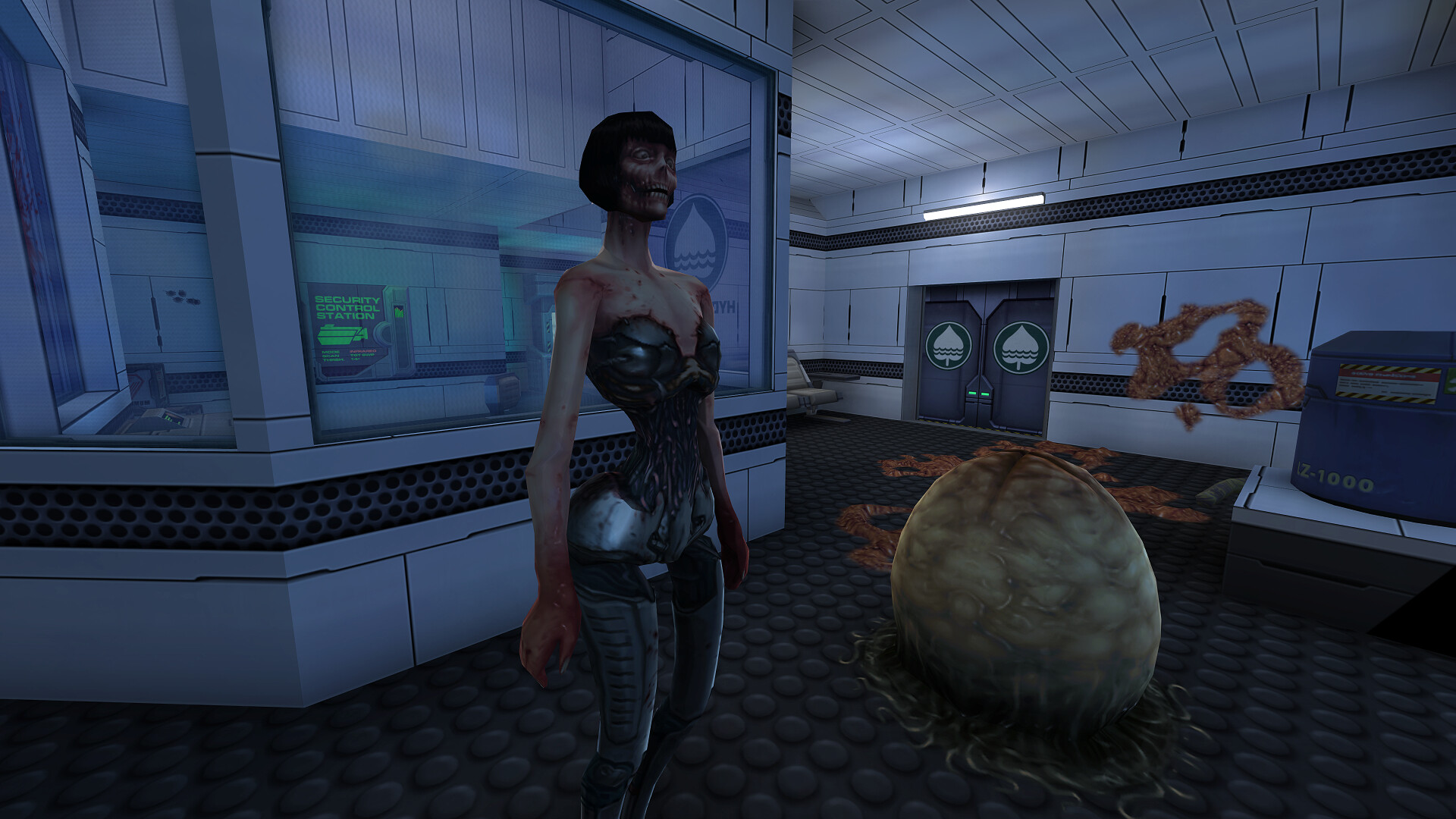
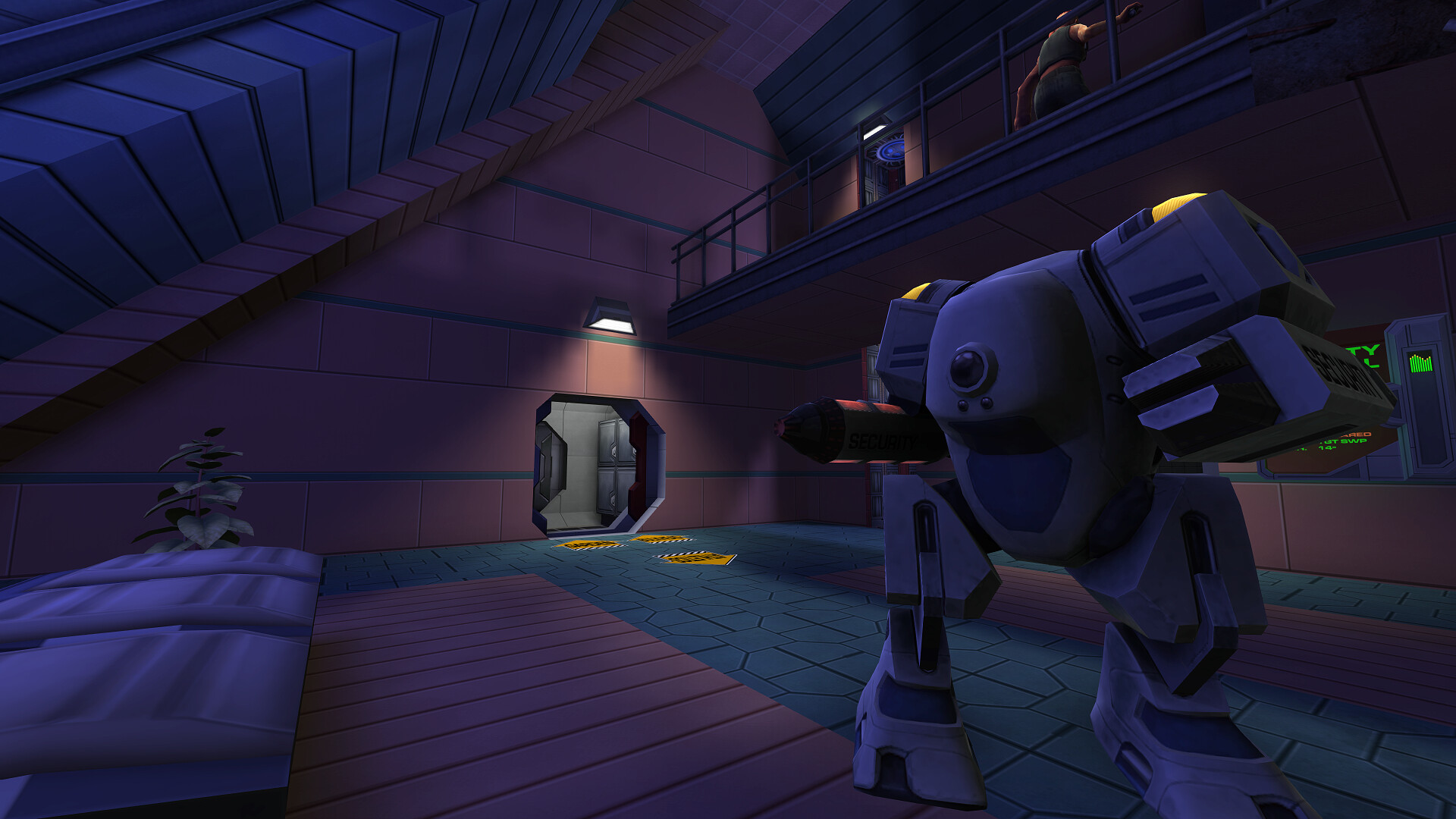
Released on August 11, 1999, System Shock 2 was developed by Looking Glass Studios and Irrational Games and published by Electronic Arts. Set in the year 2114, the narrative follows a soldier of the Unified National Nominate (UNN) who awakens in a cryo-tube aboard the Von Braun, an experimental faster-than-light starship that has been overrun by horrific mutations and monsters.
The title mattered as a genre-defining experience that established innovative gameplay mechanics now considered staples of both the FPS and RPG genres. While it did not become a commercial hit upon release, it earned immense love from critics and players alike, securing approximately a dozen awards, including seven "Game of the Year" honors from publications such as USA Today and Game Revolution.
How it plays
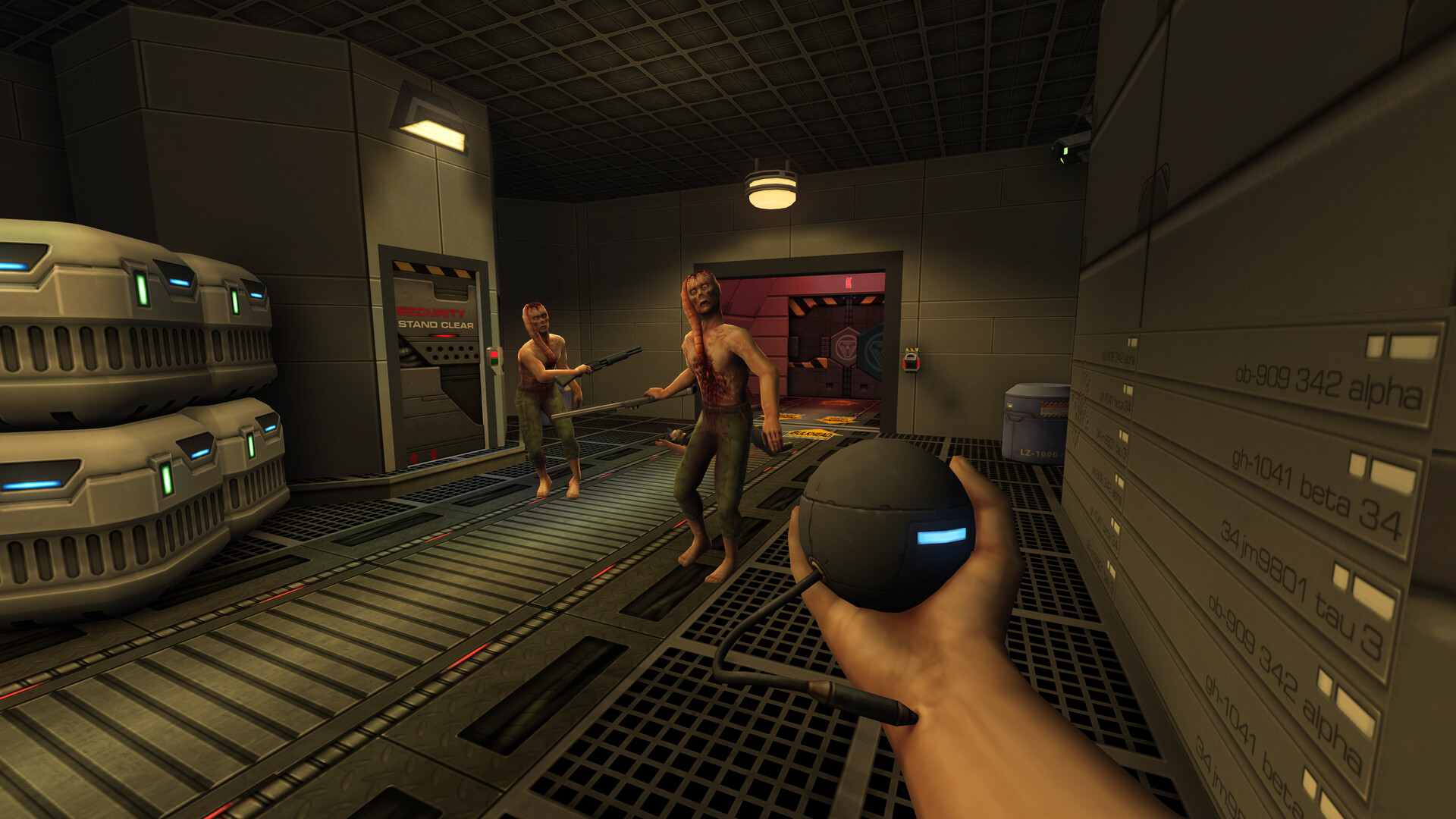
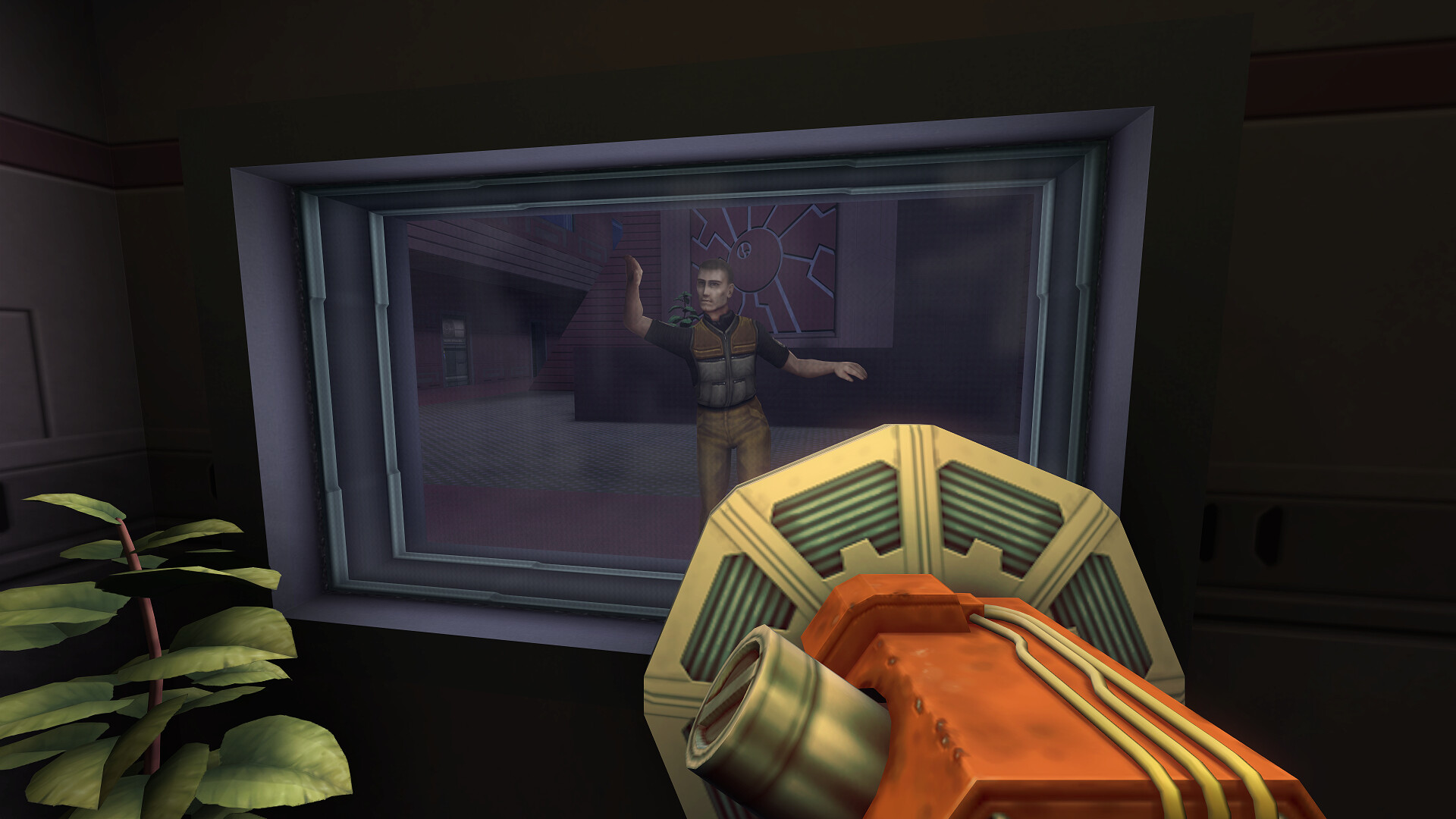
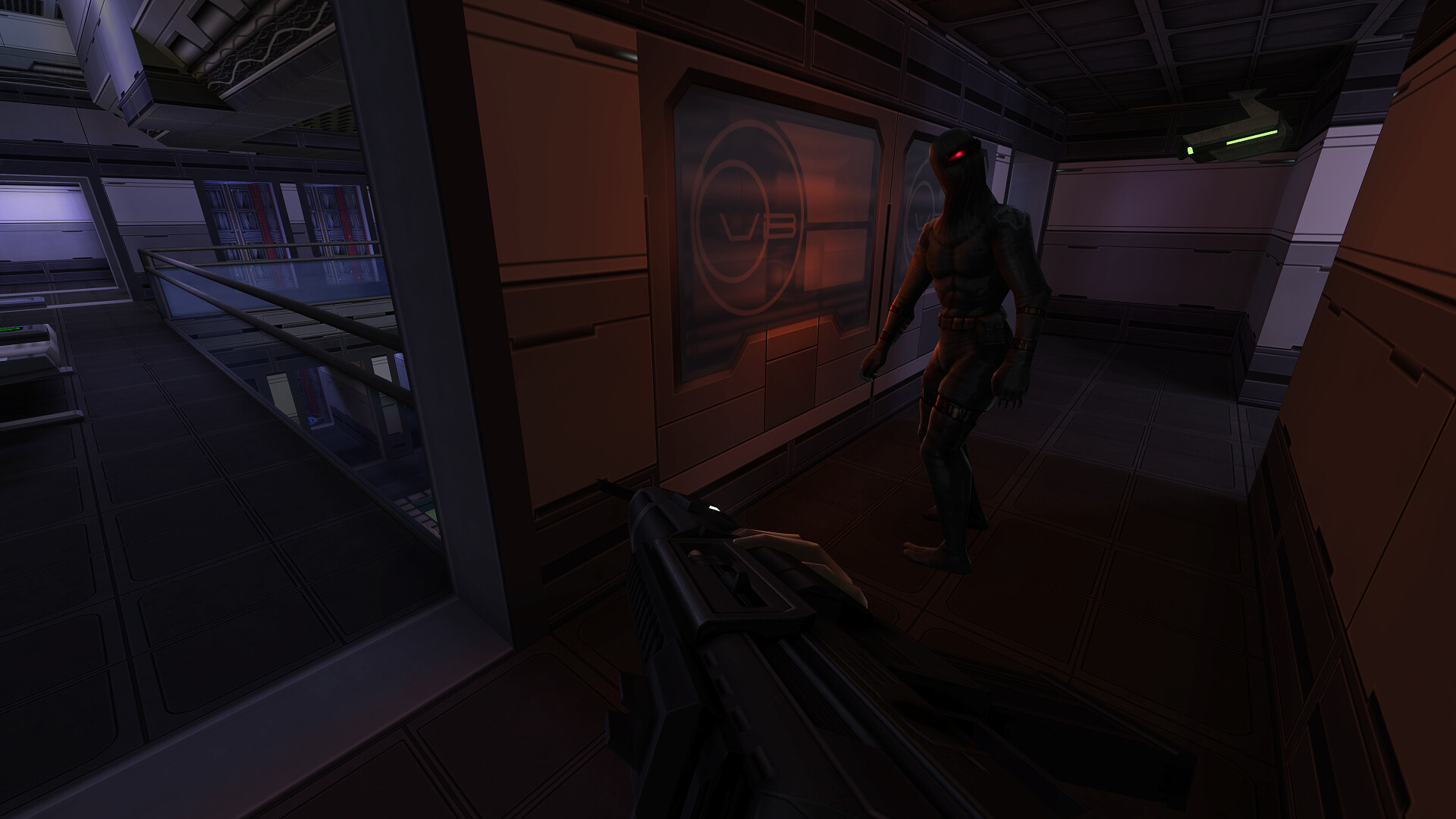
System Shock 2 is a hybrid of a first-person shooter and a role-playing game, emphasizing survival over the total elimination of enemies. Players begin by choosing a UNN career—Marine, Navy Officer, or OSA agent—which provides initial skill bonuses in combat, hacking/repair, or psionic powers, respectively. As the protagonist traverses the wretched corridors of the Von Braun, they spend cybermodules earned through exploration and objectives to develop attributes like strength, agility, endurance, and weapon skills.
The loop involves scavenging for items, researching alien organs to increase damage, and managing deteriorating weapons that break after prolonged use. Players use nanites, the game's currency, at matter replicators to buy items or to repair equipment and resurrect the character. Combat is supplemented by psi powers—which require a psi amplifier and psi points—allowing the player to paralyze enemies or become invisible, while the story is primarily delivered through audio logs and messages left by the fallen crew.
How it was received
Upon release, the game received "generally favorable" reviews according to Metacritic. High marks were awarded by several outlets, including IGN (9/10), Destructoid (9/10), and PC Gaming US (80/100), while others like Eurogamer (4/5), GameSpot (8/10), and VG247 (4/5) also praised the title. Some scores were more tempered, such as PC Gamer UK (7/10), VideoGame (7/10), and GRadar (3/5).
Modern sentiment remains strong, with the Steam version holding a "Very Positive" rating from 1,554 out of 1,783 reviews, contrasting the original period's critical divide with a lasting player appreciation for its role as a gateway to the immersive sim genre.
In the magazines
The period press.
The game earned high praise from various outlets, with IGN and Destructoid both awarding it 9/10, while PC Gaming US gave it 80/100 and GameSpot provided an 8/10. Other scores included 4/5 from Eurogamer, TG, and VG247, and a 7/10 from PC Gamer UK and VG.
What players say today
Modern players on Steam largely view the game as a fantastic introduction to the immersive sim genre, particularly on normal difficulty. However, some users have reported game-breaking bugs late in the experience where doors fail to open, and some critics argue the remaster is essentially a package of existing mods that players could have implemented themselves.
“Encountered a game breaking bug that is well known while playing with a friend (No spoilers but it's stops you progessing in the game closer to the end, a door does not open that is supposed to). It w…”
“theres literally no reason for this to exist. sure its cool that they basically packaged a bunch of mods together and called it remastered but you could literally do it yourself with the original. but…”
“(Ignore my playtime. I have +100 hours on my old account.) My first time playing this was on my laptop in college with headphones on and lights turned off. I was so scared I couldn't even get past th…”
Screenshots
The box & the art
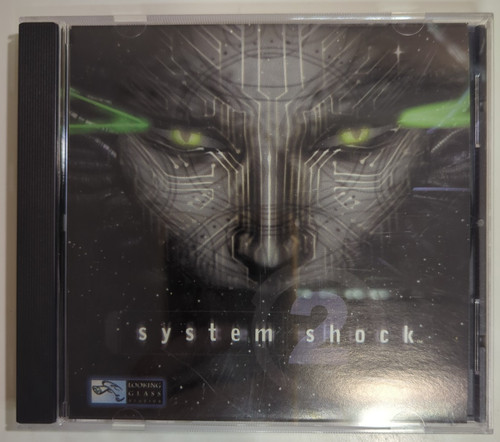
Cover art, and real copies photographed in the wild.

Legacy
Looking Glass Studios helped pioneer the immersive sim, and System Shock 2 remains a landmark in that evolution. It is worth seeking out today for those wanting to experience the foundation of modern FPS/RPG hybrids and the oppressive atmosphere of the Von Braun.
What it's worth
A second-hand market that moves over time — a loose disc is pocket-money, while sealed or complete-with-manual copies drive the top end. For today's exact listings, check the live search.
See current copies on eBay →Copies in the wild
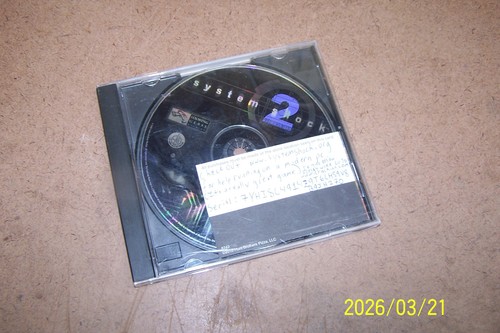
Real listing photos — the range of condition you'll meet.
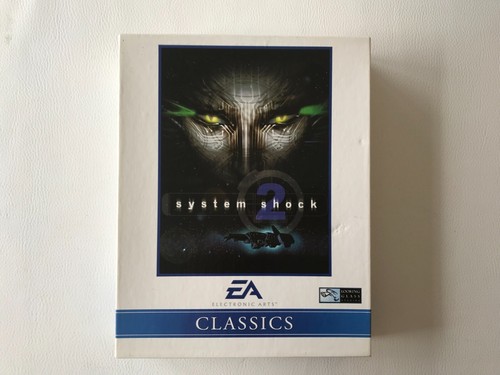
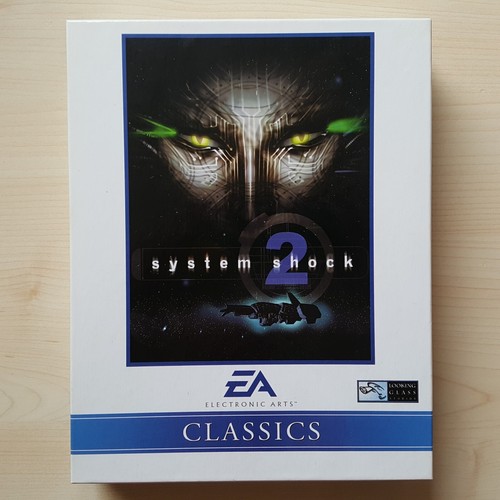
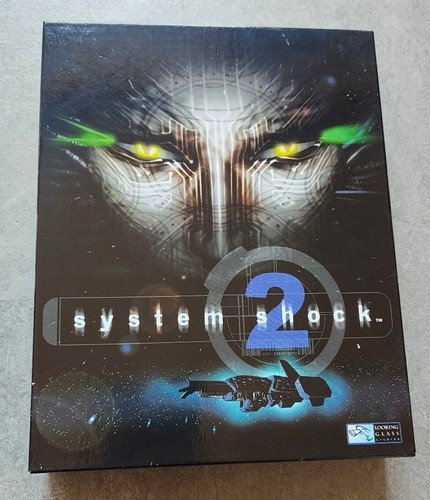
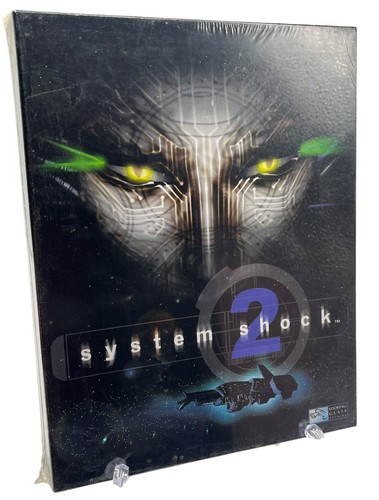

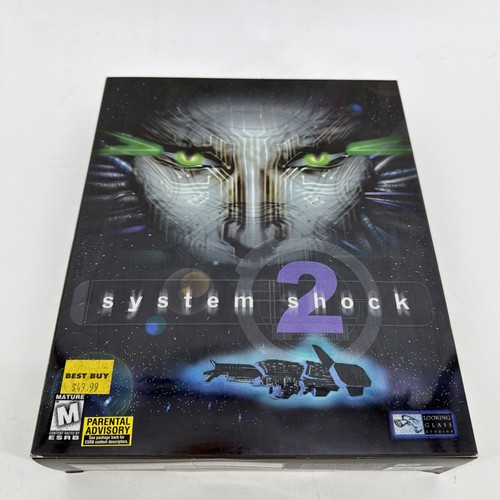
Photographed examples from past listings — illustrative of condition, not a live inventory.
How to play it in 2026
Easiest today: Steam or GOG (DRM-free) on modern Windows. Either way the core game is intact.
The 25th Anniversary Remaster is described as a way to play the game in 2023 and beyond, though some reviewers noted it sticks to the original's "ancient design" and "outdated mechanics" rather than adapting the spirit of the game to modern standards.
Verdict
Despite some outdated mechanics and a few reported bugs in the remaster, the game's core loop of survival, research, and character growth remains compelling. Its ability to evoke genuine fear—as evidenced by players who found it too scary to progress in the dark—proves its atmosphere is still potent.
For fans of the immersive sim, it holds up as a definitive experience that balances tension with deep RPG systems, making it a mandatory play for anyone interested in the history of the genre.
Sources: MobyGames, Steam, and period/web coverage. Prices reflect the second-hand market and change over time.