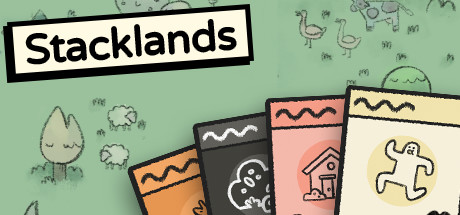
Stacklands: What Critics & Players Say
A summary of critic and player reviews — not a hands-on review.
▶ Stacklands is widely regarded as a highly addictive and innovative blend of village management and card mechanics, though some find the late-game micromanagement tedious.
What is Stacklands?
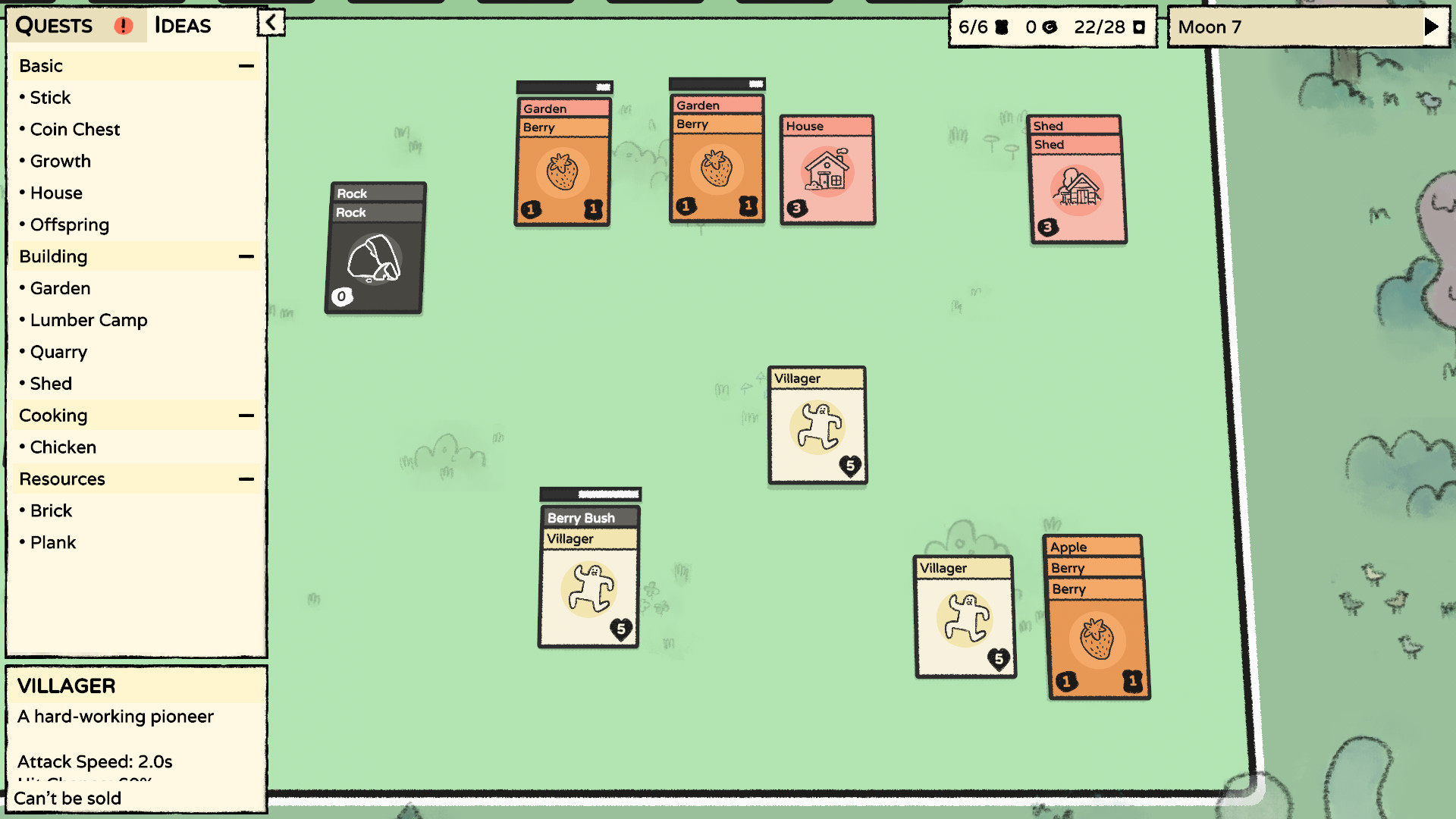
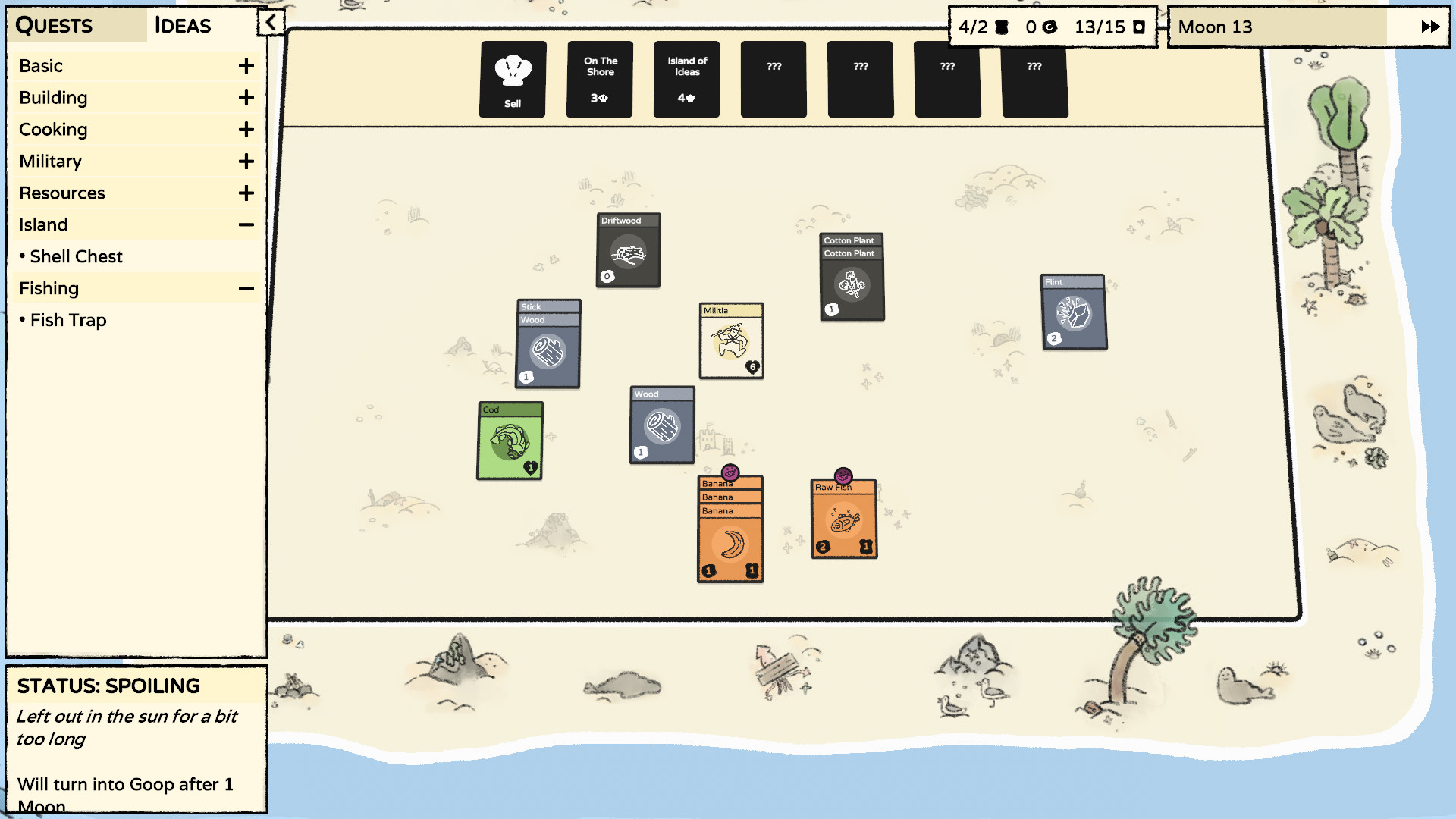
Stacklands is a casual indie simulation game that reimagines village building through the lens of a card game. Players manage a growing colony where every element—from villagers and berry bushes to buildings and enemies—is represented by a physical card on the board. The goal is to expand the village, discover new blueprints, and survive various threats by strategically stacking and organizing these cards.
How It Plays
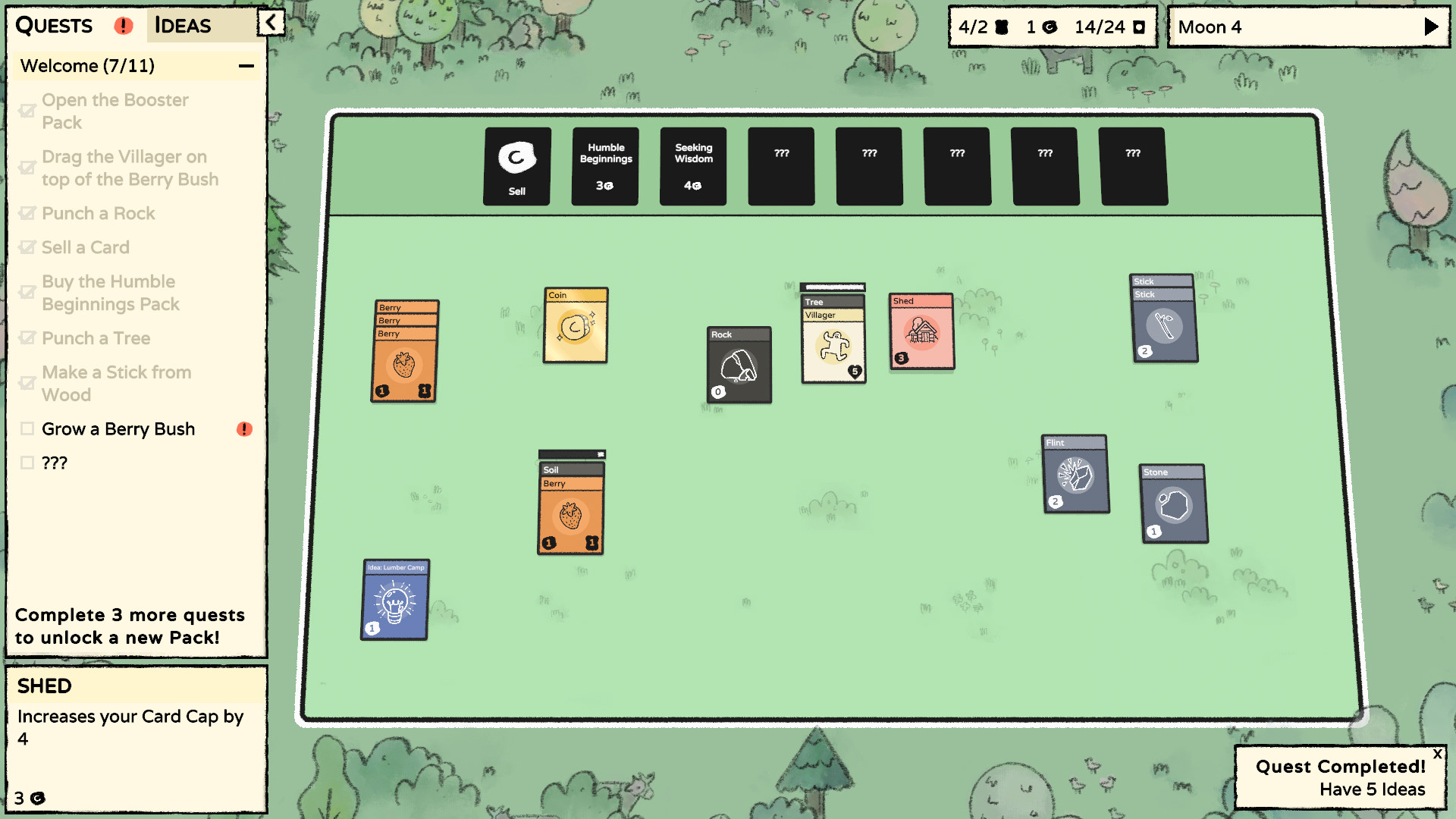
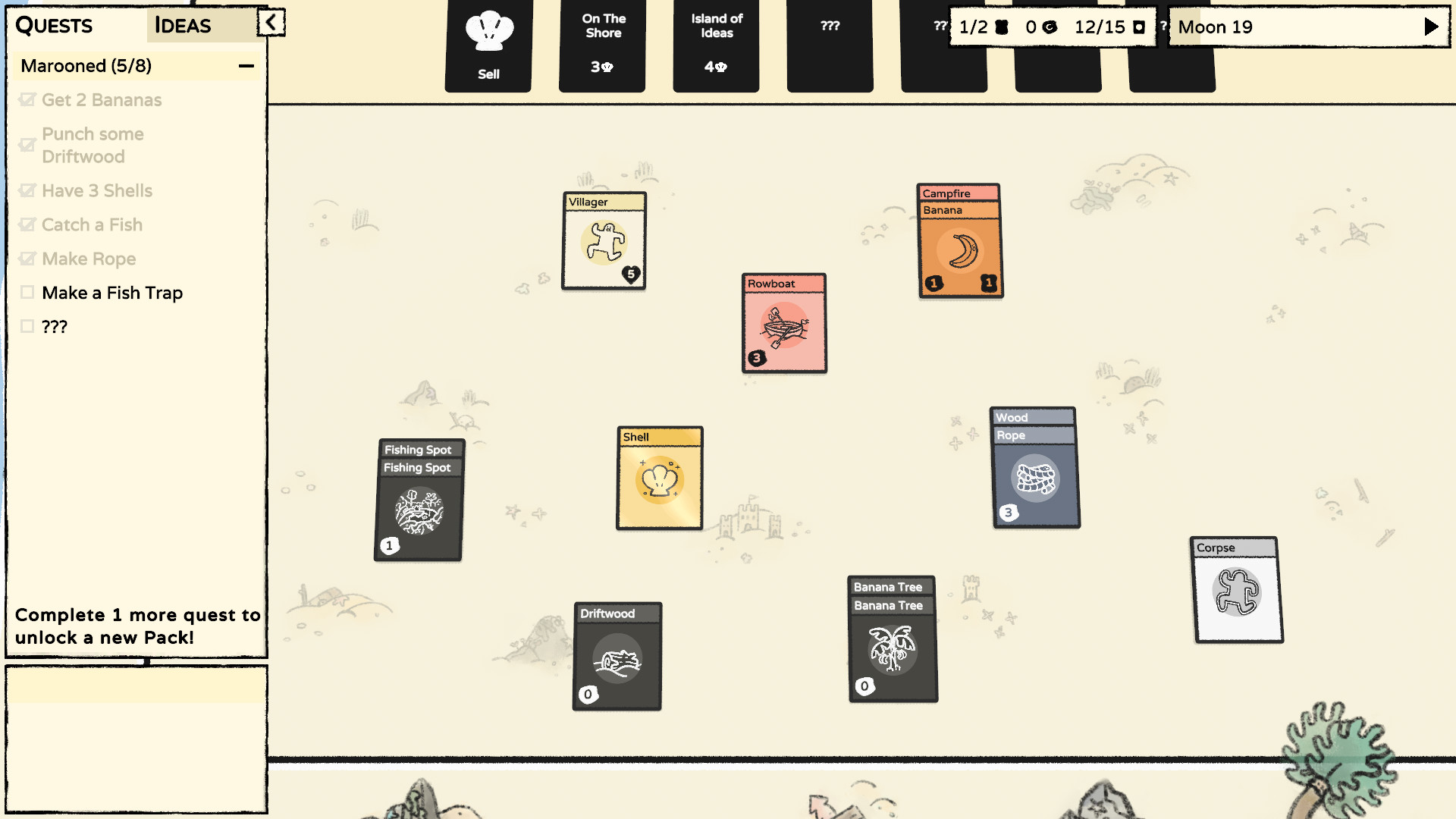
The core gameplay loop involves dragging cards onto one another to trigger actions; for instance, placing a Villager card on a Berry Bush generates food. Players collect resources to earn money, which is then used to buy card packs to discover new blueprints and materials. As the village grows, players must build structures and fight creatures, all while managing a daily cycle of survival and expansion.
The Consensus
Both critics and players agree that the game features a satisfying and unique core loop that blends resource management with a deck-building structure, making it an addictive 'time sink'.
What Critics Say
Professional critic coverage is limited, but research indicates a positive reception. Polygon describes the game as a 'roguelite time sink', while Nintendo World Report highlights its effective use of a card-builder structure to facilitate town management. General sentiment from review sites emphasizes that the game is easy to learn but difficult to master.
What Players Say
Players report an overwhelmingly positive experience, frequently praising the addictive nature of opening packs and leveling up the village. Some users note it is quite playable on the Steam Deck. However, some critics point out that the physics engine can cause the board to become a 'terrible mess', and others feel the game becomes overly reliant on heavy micromanagement in the second half.
Pros & Cons
Pros
- ✓ Satisfying core gameplay loop of farming and upgrading
- ✓ Unique and innovative card-stacking mechanics
- ✓ Addictive progression system via card packs and blueprints
- ✓ Strong compatibility with Steam Deck
Cons
- ✗ Physics engine can lead to disorganized boards
- ✗ Late-game micromanagement can feel overwhelming
- ✗ Lack of built-in organization tools
Who It's For
👍 Who it's for: Fans of management sims and deckbuilders who enjoy discovering new recipes and building systems from the ground up.
👎 Who should skip it: Players who are easily frustrated by physics-based clutter or those who dislike heavy micromanagement in the endgame.
💲 Worth it? At $7.99, the game is generally seen as a high-value experience for those seeking a unique, addictive indie simulation.
How It Compares
| Compared to | How Stacklands differs |
|---|---|
| Slay the Spire | Unlike the combat-focused deckbuilding of Slay the Spire, Stacklands focuses on spatial village management and resource production. |
| Animal Crossing | While both involve village growth, Stacklands replaces real-time social simulation with abstract card-stacking and survival mechanics. |
Screenshots
Frequently Asked Questions
What is the main goal of Stacklands?
The goal is to expand your village by collecting resources, building structures, and surviving creature attacks.
Is Stacklands available on Steam Deck?
Yes, players report that the game is quite playable on the Steam Deck.
How do you get new items in the game?
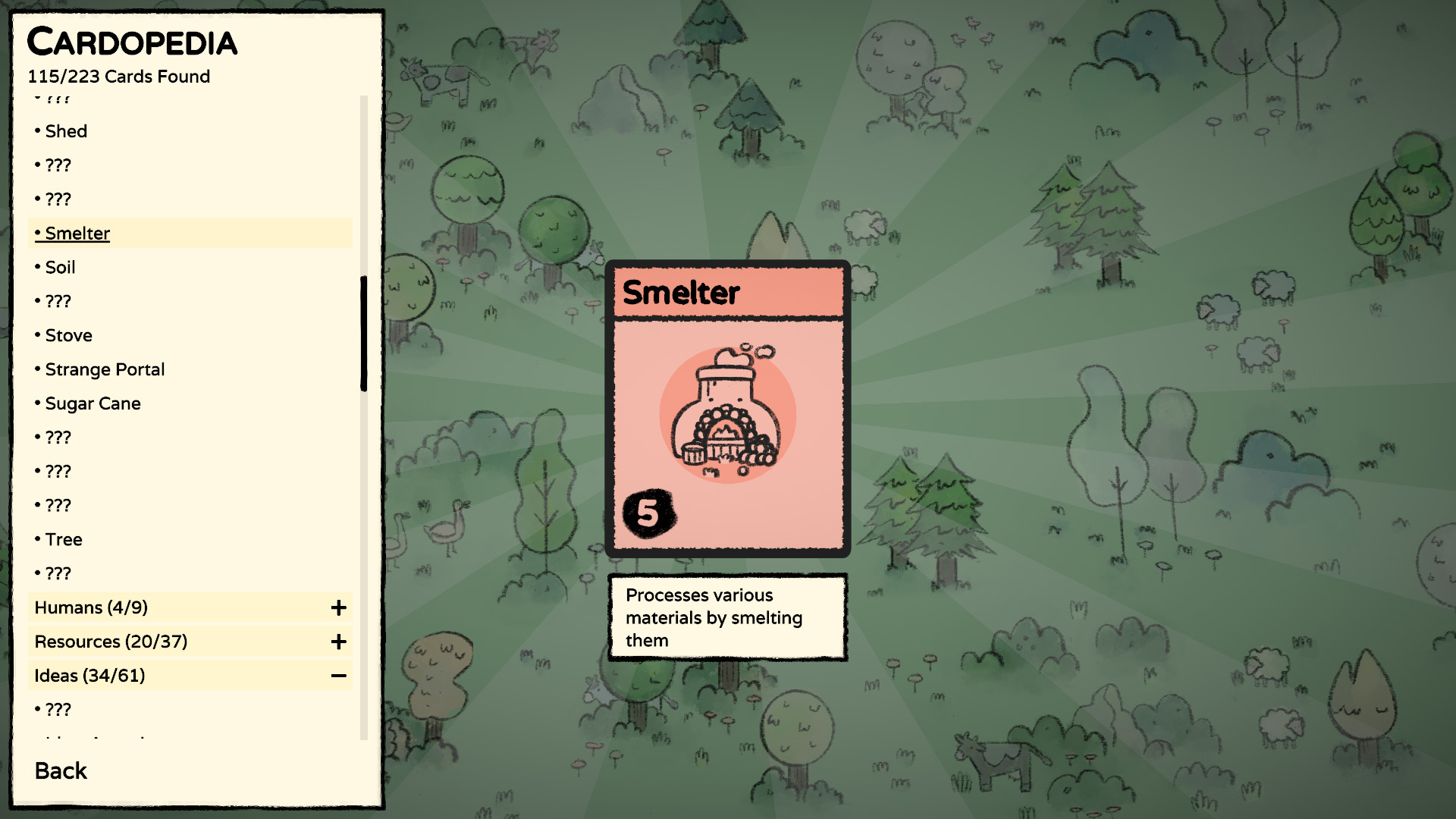
Players earn money to buy card packs, which contain new resources and blueprints.
Does the game get harder over time?
Yes, players note that the second half of the game requires significantly more micromanagement than the beginning.
What is the basic mechanic for gathering food?
You drag a Villager card onto a resource card, such as a Berry Bush, to spawn food cards.