MPS Labs' 1996 classic — its history, how the press received it, how it plays today, and what a copy costs.

- Released
- 1996 · PC (DOS / Windows)
- Developer
- MPS Labs
- Publisher
- MicroProse Software
- MobyScore
- ★ 8.18
- Players today
- Very Positive on Steam (91% of 5231)
The history
Developed by MPS Labs and published by MicroProse, Sid Meier's Civilization II arrived in 1996 as the sequel to a genre-defining original. It sought to improve upon the beloved classic that first tasked players with ruling an infant civilization struggling to survive in the earliest moments of history.
The game mattered as a massive success that expanded on the foundational 4X formula. It tasked players with guiding a civilization across the entire span of human history, cementing the series' status as a pillar of the strategy genre.
How it plays
The core loop begins with a single unit and limited knowledge of the local area. Players must guide their civilization toward dominance by either conquering all other civilizations or launching a spaceship to Alpha Centauri. This involves locating cities to utilize food, trade, and construction resources, which are further enhanced by building roads, mines, irrigation, and farmland. Each city produces one item at a time, ranging from military units to one of 28 unique Wonders of the World that offer strategic advantages.
Progress is driven by researching over 100 scientific advancements, which requires balancing scientific output against financial and military needs. Combat occurs in open terrain or cities, where features like mountains provide defensive advantages. Unlike its predecessor, winning units are often damaged, reducing their prowess until repaired. Diplomacy is also critical, as players manage relations with up to six other civilizations through trade and alliances, though breaking deals damages the player's reputation.
How it was received
The series has been hailed as one of the most important strategy games of all time. While specific scores for the second entry are sparse in the provided records, the franchise's roots were lauded by Computer Gaming World, which compared the game's importance to that of the wheel and named it Overall Game of the Year in 1992. It also earned a 5/5 star rating from Dragon #183 and won the Origins Award for Best Military or Strategy Computer Game of 1991. Allgame gave a 5/5, and the SNES version received an 8.5/10 from GI and 4/5 from NGen.
Then vs now: While period critics viewed the experience as a revolutionary "Olympian" of the god game genre, modern Steam players maintain a "Very Positive" sentiment, though some now struggle with the game's aged resolution and lack of windowed mode.
In the magazines
The period press.
Computer Gaming World described the experience as "more addictive than crack" and a "new Olympian in the genre of god games." Dragon #183 gave the game 5 out of 5 stars, calling it one of the "highest dollar-to-play-ratio entertainments" available.
What players say today
Modern players on Steam generally hold the game in high regard, with 4,736 out of 5,231 reviews being positive. Many recall the "one more turn" addiction, though some find the AI's tendency to spam unit stacks frustrating. There are also complaints regarding the lack of resolution settings and windowed mode, making the game feel aged to some, while others prefer its aesthetics over later entries like Civilization IV.
“1 a.m. – just one more turn, then bed 5 a.m. – okay, one more turn now, and then definitely bed 8 a.m. – well, I'll finish the game when I get home from work”
“my first & favorite Civ altho IV is more balanced. Very fond of the aesthetics and the modern era music in III has the best music out of all the Civ games. ' Once you learn the mechanics, it's a ton …”
“Won't work at an acceptable resolution. There are no settings options, not even a windowed mode, to prevent this game to be aged beyond entertainment value. I know it's old, but that's no excuse. This…”
Screenshots
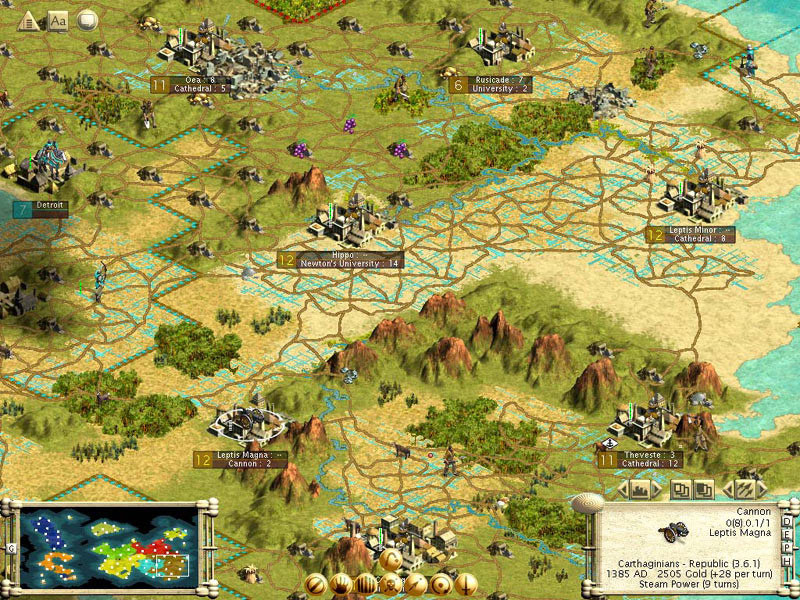
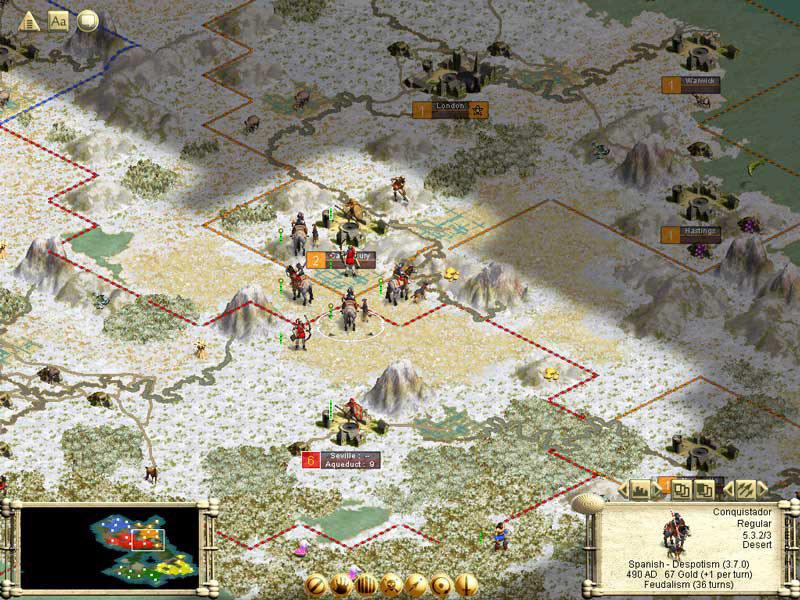
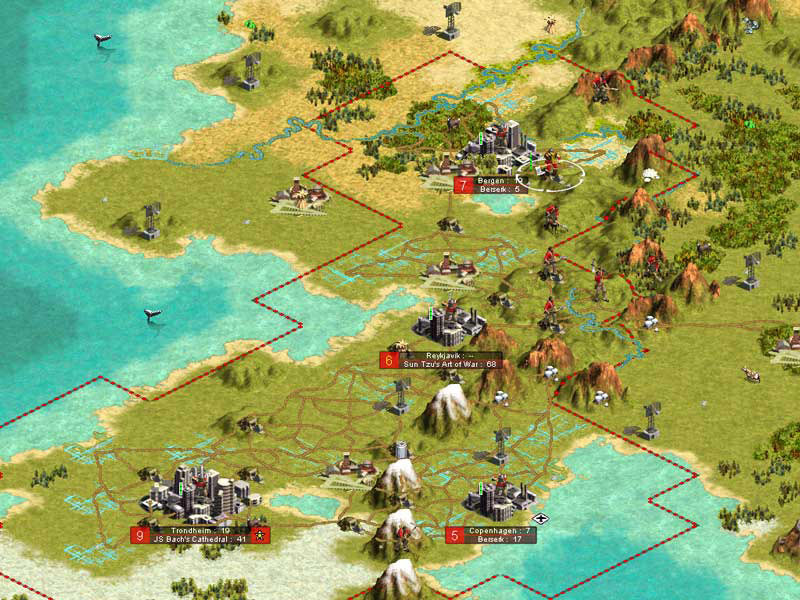
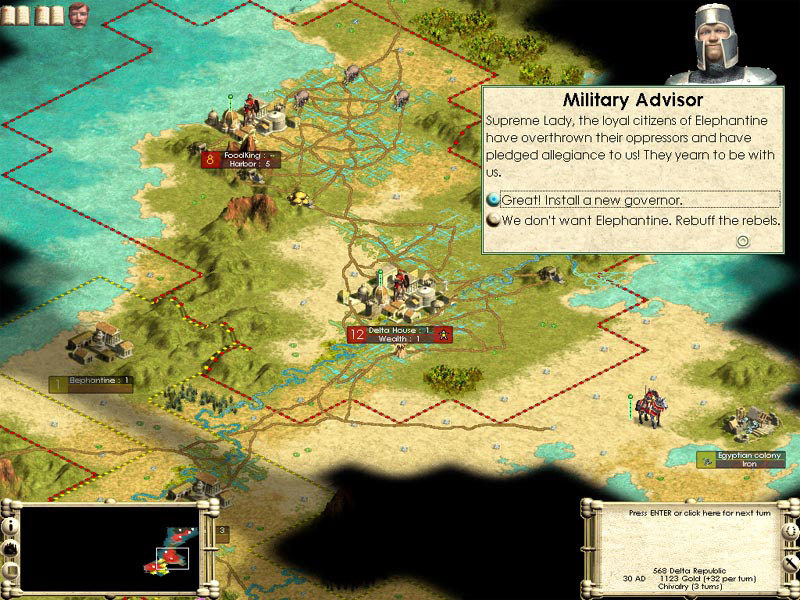
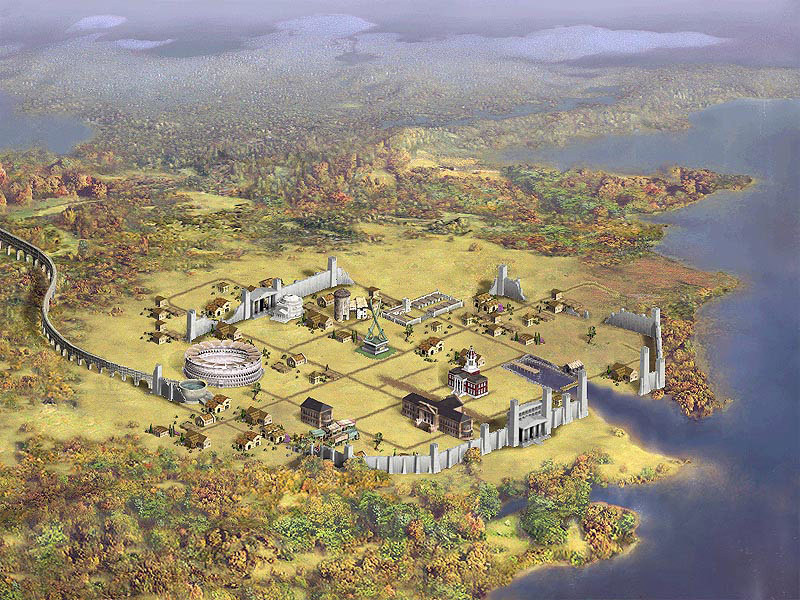
The box & the art
Cover art, and real copies photographed in the wild.


Legacy
MicroProse continued to evolve the series, leading to a lineage of titles that influenced the broader 4X genre. The game remains worth seeking out today for those who appreciate the foundational mechanics of historical simulation and the specific aesthetic charm of early 4X gaming.
What it's worth
A second-hand market that moves over time — a loose disc is pocket-money, while sealed or complete-with-manual copies drive the top end. For today's exact listings, check the live search.
See current copies on eBay →Copies in the wild
Real listing photos — the range of condition you'll meet.


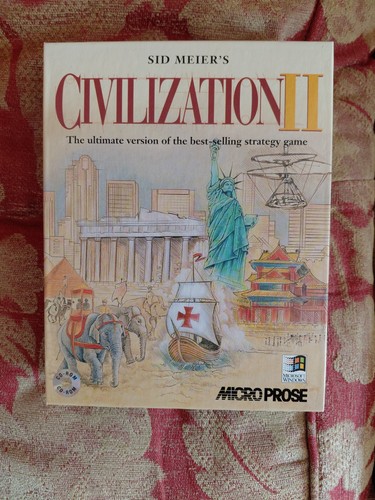

Photographed examples from past listings — illustrative of condition, not a live inventory.
How to play it in 2026
Easiest today: Steam or GOG (DRM-free) on modern Windows. Either way the core game is intact.
Verdict
Whether it holds up depends on your tolerance for 1990s technical limitations. The strategic depth and the addictive loop of expanding a civilization from a single unit to a space-faring empire remain timeless.
However, the lack of modern resolution support and windowed mode can be a significant barrier. If you can overlook the clunky interface, the core gameplay remains a masterclass in turn-based strategy.
Sources: MobyGames, Steam, and period/web coverage. Prices reflect the second-hand market and change over time.