Cavedog Entertainment's 1997 classic — its history, how the press received it, how it plays today, and what a copy costs.

- Released
- 1997 · PC (DOS / Windows)
- Developer
- Cavedog Entertainment
- Publisher
- GT Interactive Software Corp.
- MobyScore
- ★ 8.18
- Players today
- Overwhelmingly Positive on Steam (97% of 2674)
The history
Released in September 1997 by Cavedog Entertainment and distributed by GT Interactive, Total Annihilation arrived during a period of heavy competition in the real-time strategy genre. Set 4,000 years in the future, the game depicts a galactic struggle for domination between two factions, the Arm and the Core, following a conflict over the transfer of consciousness from flesh to machines that decimated a million worlds.
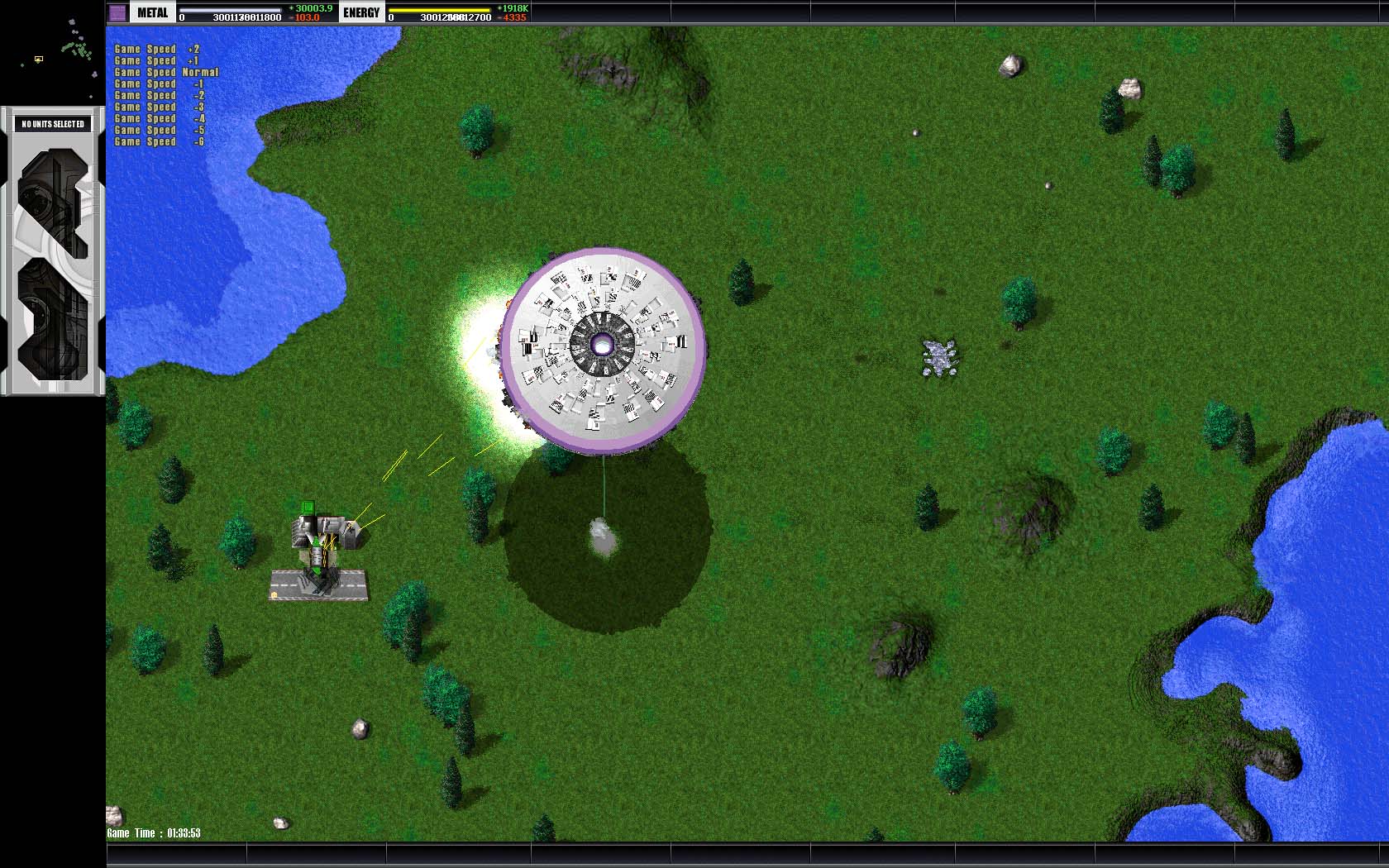
The title mattered because it introduced significant innovations to the RTS formula. By utilizing a 3D world where elevation changes actually affected gameplay and implementing a massive variety of unit types, it provided a level of depth and scale that distinguished it from its contemporaries and influenced later spiritual descendants like Supreme Commander.
How it plays
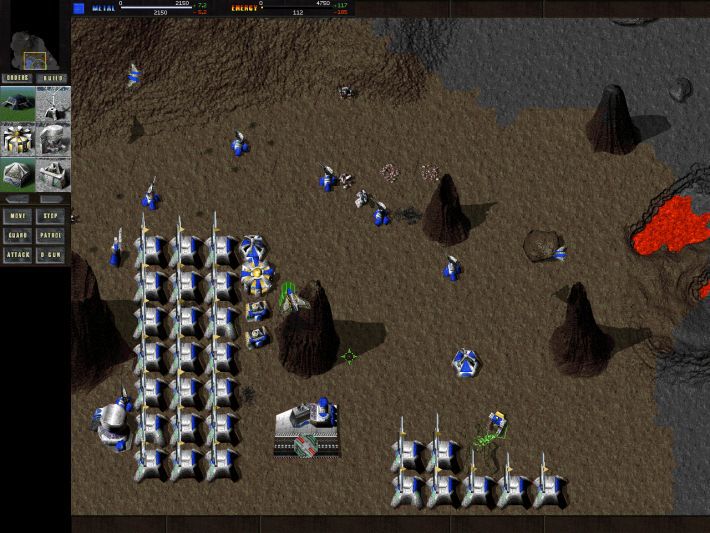
The core loop centers on the Commander, the game's most powerful unit, who is capable of both combat and construction. Players must protect their Commander at all costs while building up a base to destroy the opposition. Resource management involves securing metal nodes and gathering power from any free location on the map.
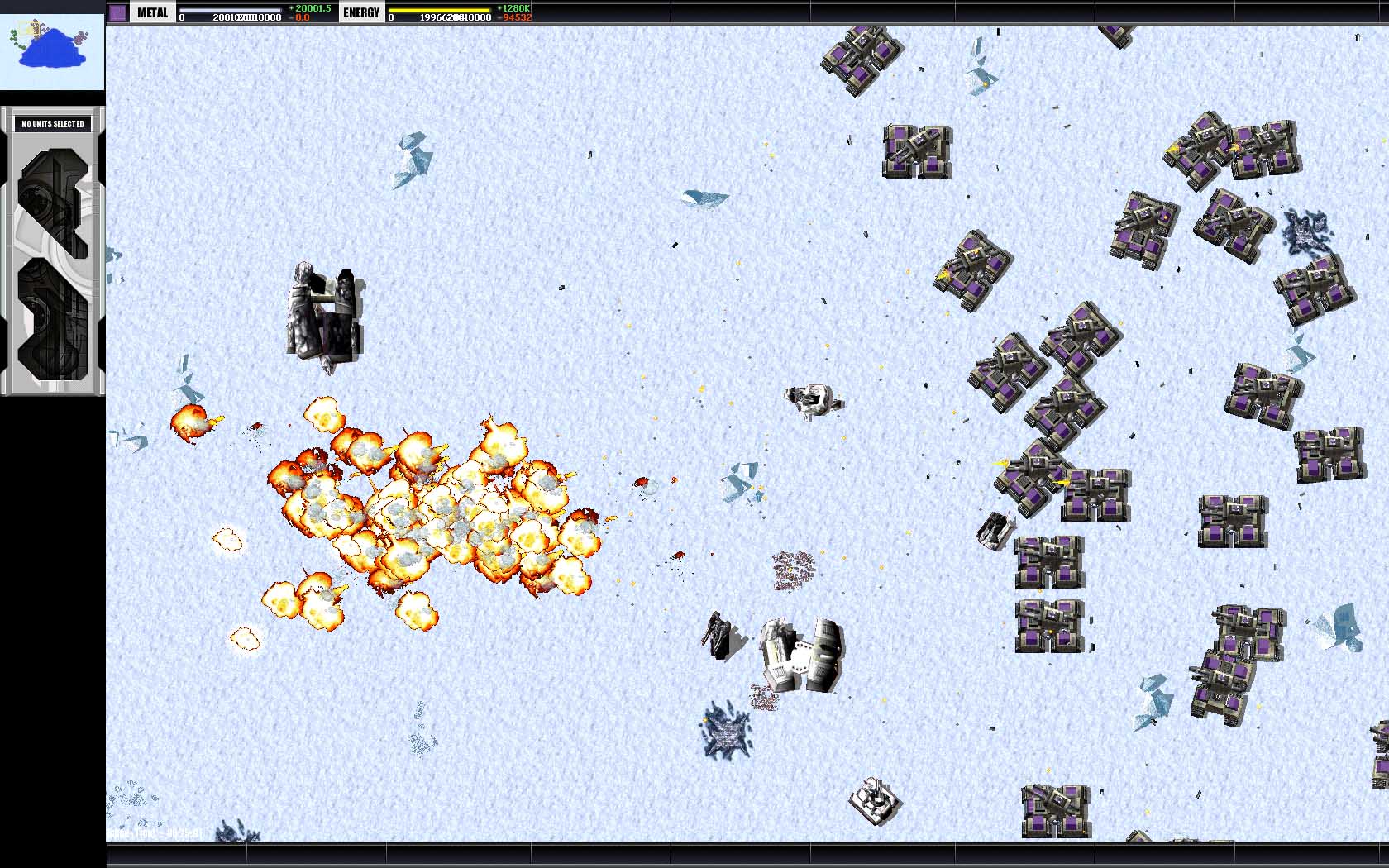
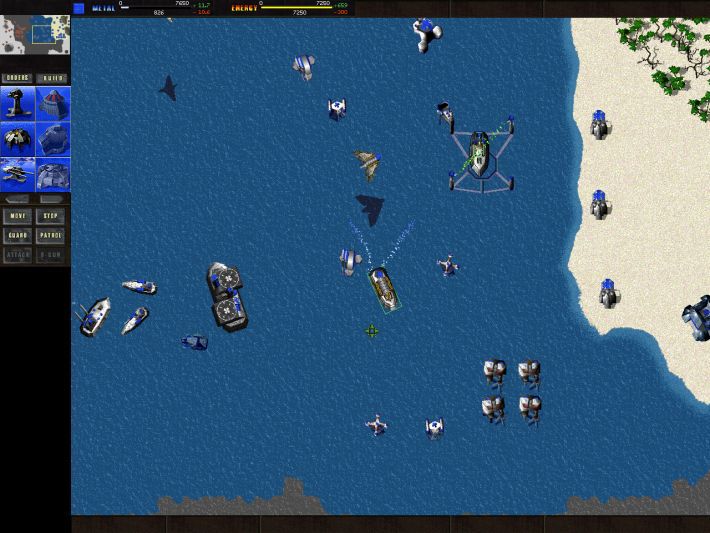
Unlike other titles of the era that relied on tech structures, Total Annihilation requires different construction units and factories to unlock higher tiers of units and structures. This system, combined with the use of unit waypoints and true line-of-sight based on elevation, allows for massive battles featuring a vast array of super-advanced technology, ranging from sonar jammers to giant robots and plasma guns.
How it was received
The game was highly praised upon release, earning an 89% from GameRankings and an 86/100 from Metacritic. It secured several prestigious accolades, including GameSpot's Game of the Year and Best Strategy Game of 1997. While it trailed behind Age of Empires in U.S. sales for late 1997, it outperformed Dark Reign: The Future of War, eventually selling over 1.5 million copies by 2002.
Critics lauded its depth and replay value, though some noted the unit AI required close supervision. While period critics hailed it as a king of the genre, modern Steam sentiment remains "Overwhelmingly Positive," though current players often contrast the legendary status of the strategy with the outdated nature of the controls and frustrating unit pathing.
In the magazines
The period press.
Next Generation gave the game four out of five stars, calling it the "king of the realtime strategies" and praising its innovations in waypoints and elevation. GamePro praised the soundtrack and line-of-sight features, while noting that the AI demanded close supervision.
What players say today
Modern players on Steam view the game as a legendary fundamental of the RTS genre and one of the greatest games of all time. However, some find it a product of its time, citing terrible unit pathing—particularly with boats—and outdated controls that make it difficult to play today without the help of modern recreations.
“one of the greatest games of all time, never gets boring, and its recreations do it amazing justice, beyond all reason is great and free”
“Decent, frustrating at times on account of terrible unit pathing, especially with boats that will just scatter around when at first when trying to move to a destination, and the AI is a bit cheaty wit…”
“One of the best RTS ever made! Controls are outdated by modern standards but it remain a fundamental of strategy games and a must play!”
Screenshots

The box & the art
Cover art, and real copies photographed in the wild.


Legacy
Cavedog Entertainment's influence lived on through game designer Chris Taylor, who later created the spiritual descendant Supreme Commander. Total Annihilation remains worth seeking out today as a foundational title that pushed the boundaries of scale and tactical depth in real-time strategy.
What it's worth
Copies surface on the second-hand market from time to time, but listings are sparse enough that there's no reliable price band to quote — check the live search for what's available right now.
See current copies on eBay →How to play it in 2026
Easiest today: Steam or GOG (DRM-free) on modern Windows. Either way the core game is intact.
Verdict
Total Annihilation holds up as a masterclass in strategic scale and environmental interaction. Its use of 3D terrain and a tiered factory system remains impressive, providing a level of tactical variety that few of its peers matched.
However, the experience is marred by aging mechanics. The outdated controls and erratic unit pathing can be frustrating by modern standards, meaning that while the strategic soul is timeless, the interface is a stark reminder of its 1997 origins.
Sources: MobyGames, Steam, and period/web coverage. Prices reflect the second-hand market and change over time.