LucasArts Entertainment Company's 1993 classic — its history, how the press received it, how it plays today, and what a copy costs.

- Released
- 1993 · PC (DOS / Windows)
- Developer
- LucasArts Entertainment Company
- Publisher
- LucasArts Entertainment Company LLC
- MobyScore
- ★ 8.08
- Players today
- Very Positive on Steam (84% of 362)
The history
Developed and published by LucasArts Entertainment Company LLC, Star Wars: X-Wing arrived in 1993 as the first space combat simulation set within the Star Wars universe. It was a bold attempt to take aim at the megahit Wing Commander series, seeking to translate the cinematic scale of the films into an interactive experience.
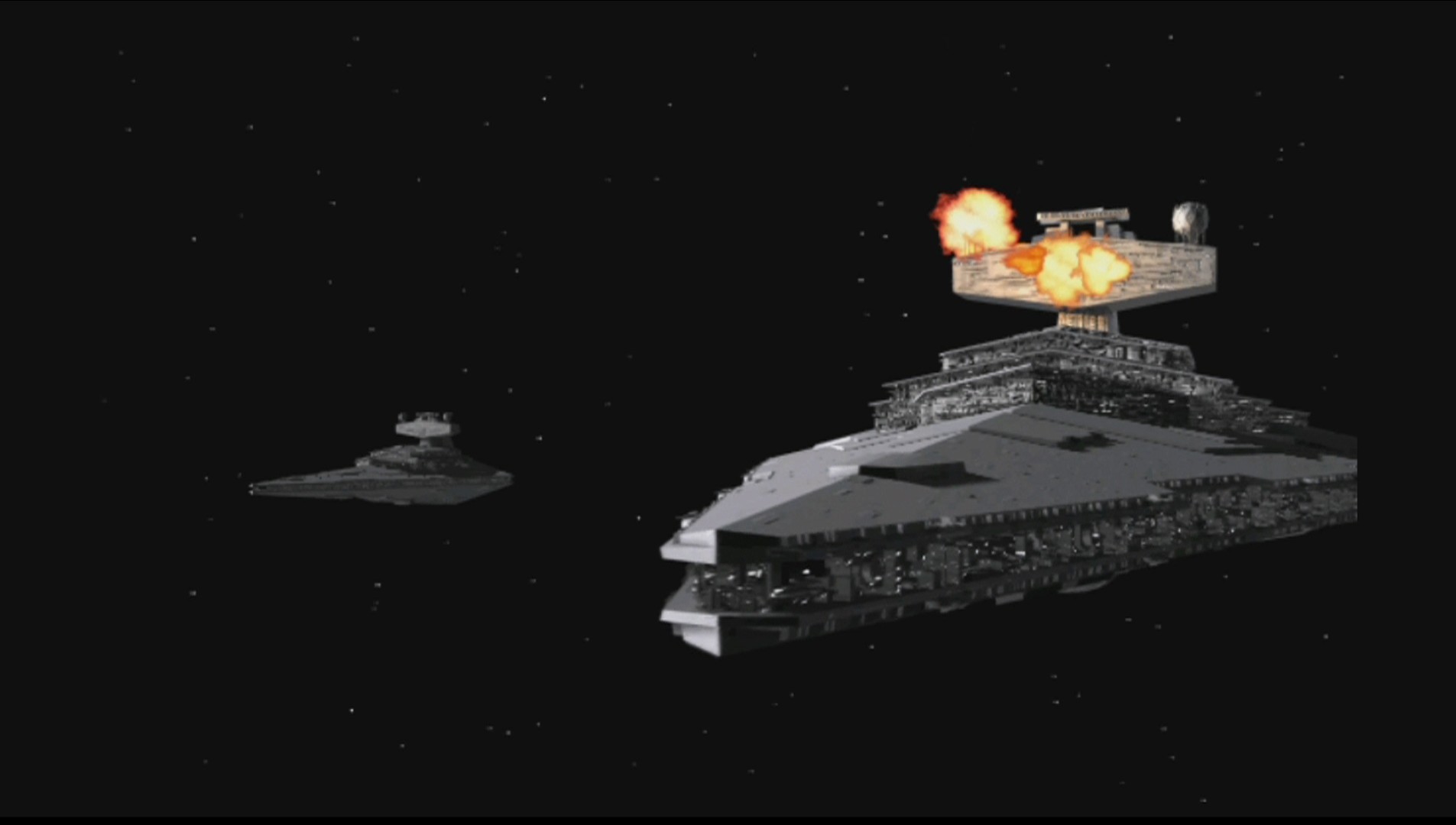
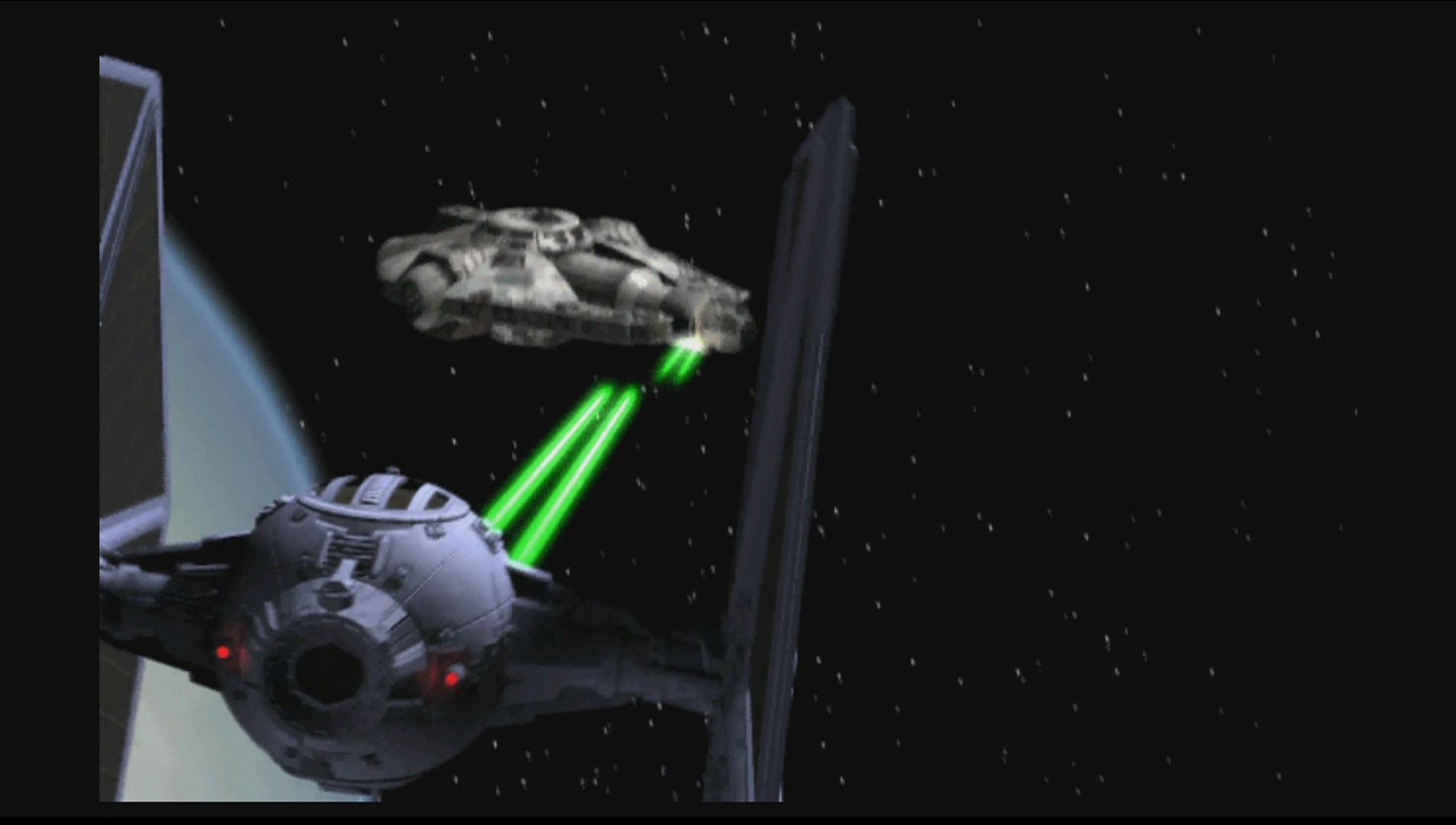
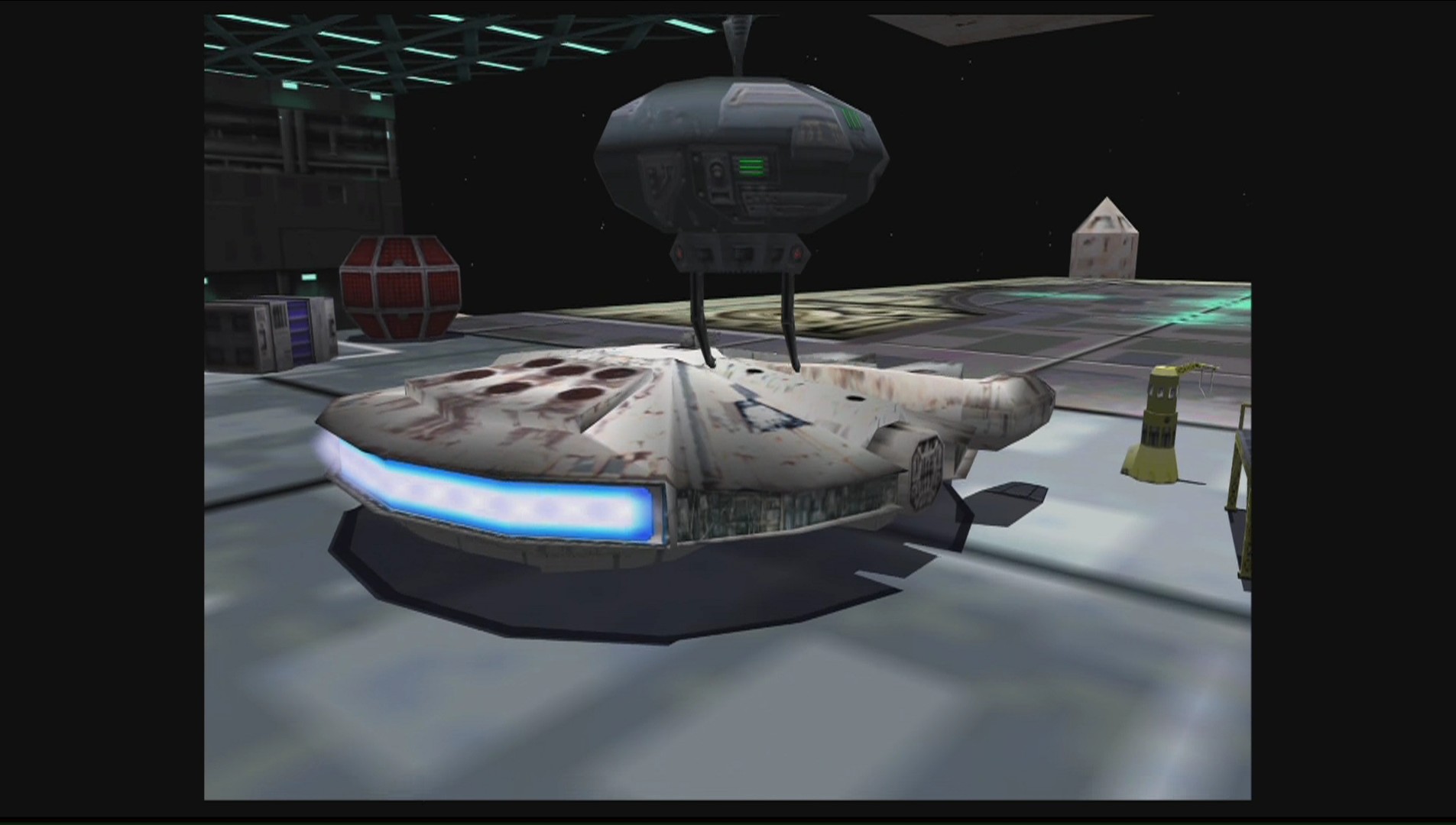
The title mattered because it pushed the boundaries of the genre by employing a polygonal 3D engine. While its contemporaries relied on different techniques, X-Wing utilized flat-shaded polygons combined with bitmaps specifically for explosion effects, helping it skillfully capture the feel of the movies.
How it plays
The gameplay loop centers on three "Tours of Duty" campaigns—A New Ally, The Great Search, and The Gathering Storm—which chronicle the Rebellion's struggle against the Empire and the search for and destruction of the Death Star. Players progress through a variety of objectives, including standard strike and escort assignments, reconnaissance flights, and capture operations. New pilots must first navigate the "Maze" proving grounds and complete simulated historical missions to prepare for the main campaigns.
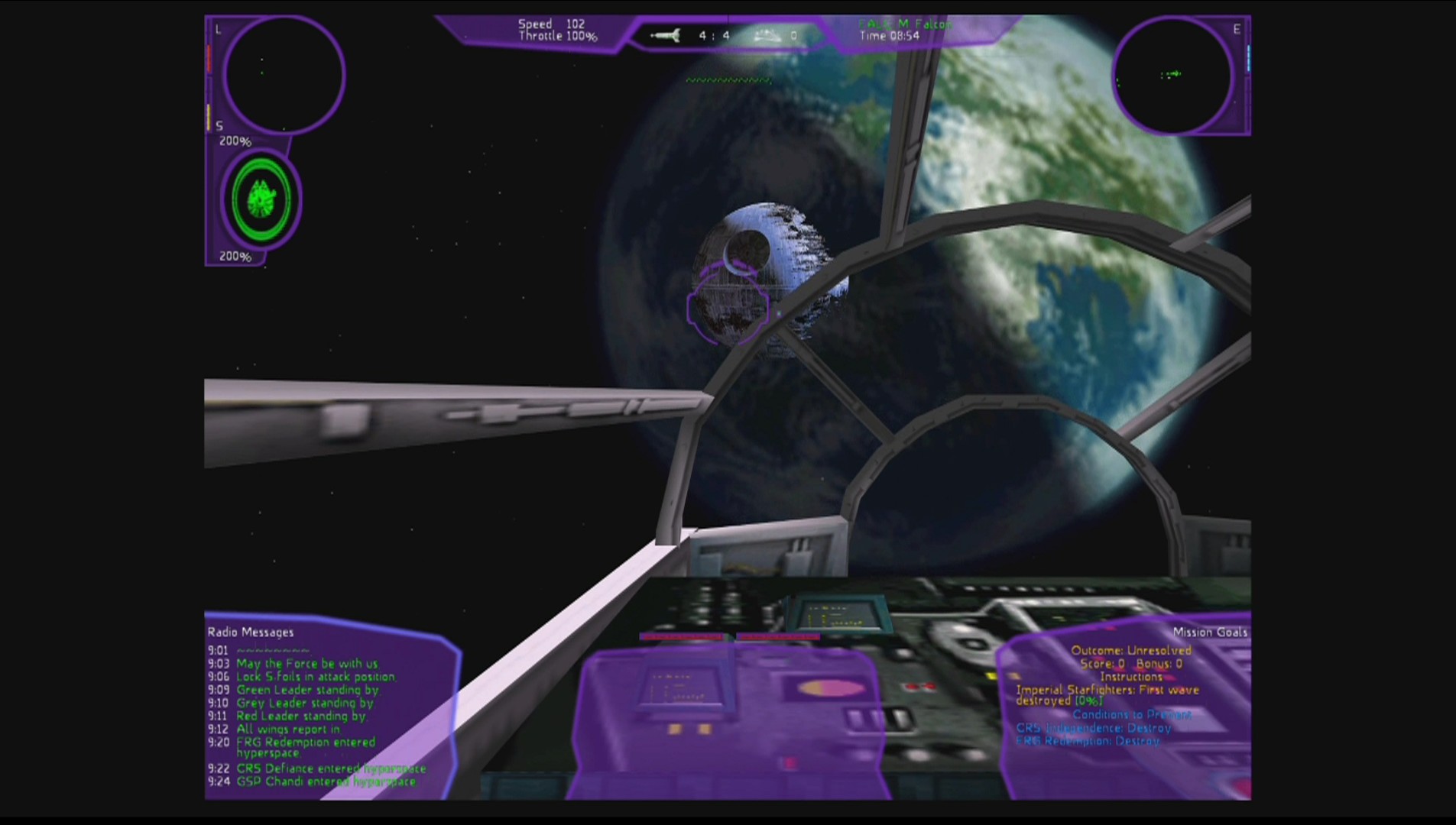
Strategic depth is provided through ship selection and energy management. Players choose between the heavily armed X-Wing, the ion-cannon-equipped Y-Wing, and the fast A-Wing, each suited for different mission types. A core mechanic requires players to divert energy between engines, weapons, and shields; for example, increasing engine power for speed drains the shields and guns. Combat is further varied by the use of proton torpedoes and concussion missiles against a variety of Imperial ships, from TIE Fighters to Star Destroyers.
How it was received
X-Wing was a massive commercial hit that surpassed LucasArts' predictions, selling out its initial 100,000-unit shipment over its debut weekend and seeing nearly 500,000 units ordered by retailers by December 1993. It was highly decorated, winning "Best Game of 1993" from Electronic Entertainment and the Origins Award for "Best Fantasy or Science Fiction Computer Game of 1993." Other accolades included "Simulation of the Year" from Computer Gaming World and "Best general simulation" of 1993 from Computer Games Strategy Plus.
Critics were generally enamored, with Allgame giving it a 4.5/5 and CGW and NGen both awarding it 4/5. While Compute! and Computer Gaming World criticized the rigid structure and the need for precise "solutions" to missions, they praised the flight model as a joy to play. Today, the game maintains a "Very Positive" sentiment on Steam, showing that its authentic simulation of space combat continues to resonate with players decades later.
In the magazines
The period press.
Computer Gaming World gave the game 4/5 (and later 4 stars in a 1994 survey), praising the flight model as "excellently executed" while noting that victory conditions were "a bit too structured and rigid." Next Generation scored the Macintosh conversion 4/5, calling it a "deserved, runaway hit." White Wolf #36 gave it a perfect 5/5, stating it would push the player's ability to the limit.
What players say today
Modern players on Steam rate the game Very Positive (305/362 positive), with some noting it is the best looking and sounding entry in the X-Wing and TIE Fighter franchise. Some users have shared community guides to enable keyboard and mouse support for the modern experience.
“By following these steps on this steam guide, it's 100% possible to play with keyboard and mouse: https://steamcommunity.com/sharedfiles/filedetails/?id=3801395814”
“[h1]It‘s the best looking and best sounding game of the X-Wing and Tie-Fighter franchise, but it‘s also obvious why it was the last.[/h1] To get it out of the way right at the start: Just like all it…”
Screenshots

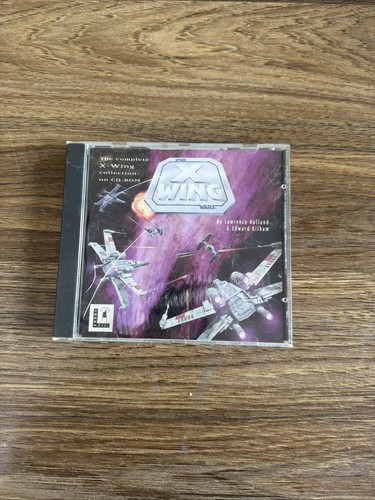
The box & the art
Cover art, and real copies photographed in the wild.


Legacy
LucasArts continued to build on this foundation with later titles like Star Wars: X-Wing vs. TIE Fighter in 1997, which shifted focus toward multiplayer battles. X-Wing remains worth seeking out today as a superb rendition of the Star Wars universe and a pioneer of the space combat simulation genre.
What it's worth
A second-hand market that moves over time — a loose disc is pocket-money, while sealed or complete-with-manual copies drive the top end. For today's exact listings, check the live search.
See current copies on eBay →Copies in the wild
Real listing photos — the range of condition you'll meet.
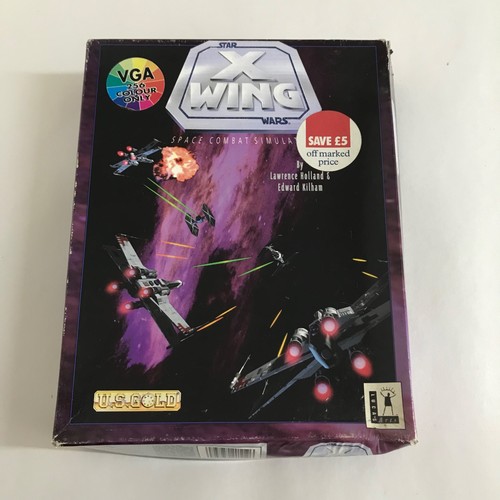


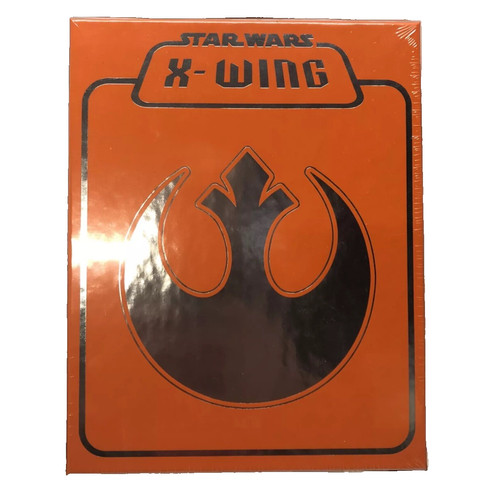
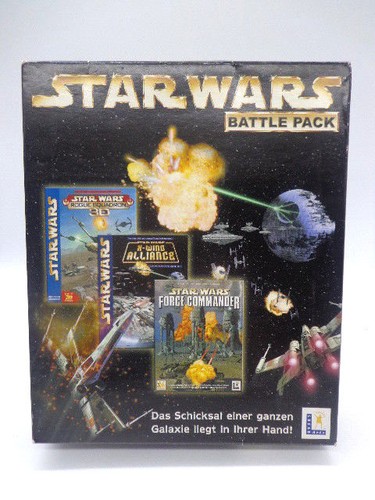
Photographed examples from past listings — illustrative of condition, not a live inventory.
How to play it in 2026
Easiest today: Steam or GOG (DRM-free) on modern Windows. Either way the core game is intact.
The Star Wars Classic Collection on Steam bundles the original game with the Imperial Pursuit and B-Wing expansions, providing both the 1993 DOS and 1998 Windows versions.
Verdict
Despite the "infamously rigid" difficulty and a lack of margin for error that some critics found controversial at launch, X-Wing holds up as a masterclass in atmosphere and mechanical depth. Its energy management system and distinct ship roles provide a tactical layer that keeps the combat engaging.
If you can stomach the structured nature of its missions, it remains one of the most authentic ways to experience the cockpit of a Rebel starfighter. It is a high-tech dog-fighting experience that, as PC Gamer US once noted, is virtually untouchable.
Sources: MobyGames, Steam, and period/web coverage. Prices reflect the second-hand market and change over time.